Description
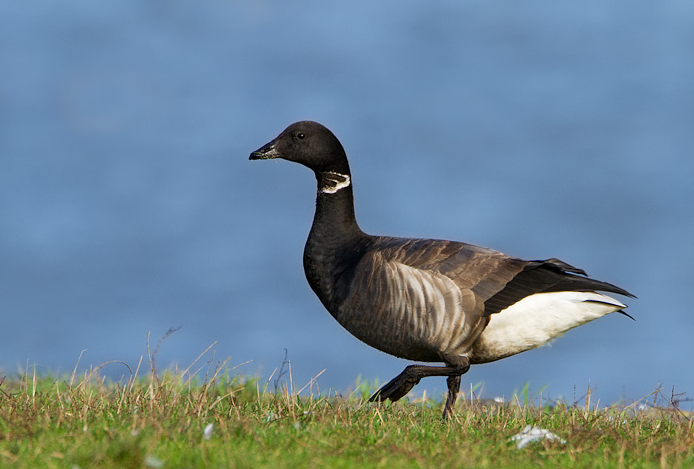
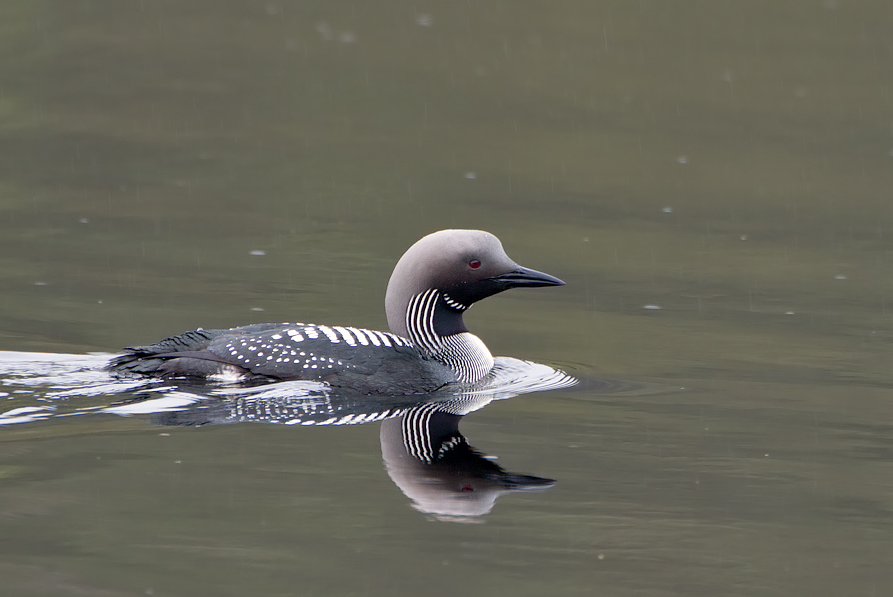
Situated at the mouth of the largest estuary in South Devon, Exmouth has good views of both estuary and coastline with footpaths throughout. The area of estuary just North of the town has a large area of Zostera, a major feeding area for Brent Goose, with both Pale and Dark Belly sub species present most years. The narrow mouth of the estuary between the town and Dawlish Warren NNR (see separate entry) should be checked for Terns during Spring/Summer/Autumn. The seafront heading Eastwards towards Orcombe Point and Sandy Bay should be checked for breeding seabirds during Summer and Divers/Grebes/Seaducks and other Seabirds during Autumn/Winter/Spring.
Details
Access
The A376 runs South from the City of Exeter to the town of Exmouth, the large car park (fee payable/24 Hours) is just North of the towns railway station, with VERY good views over the estuary and main Zostera beds. An estuary side footpath heads North of this car park, further North of this the Exmouth to Exeter railway line is between you and the estuary. The best place is a small car pull in on Mudbank Lane (marked with STAR on map). The South West Coast path follows the coastline South and then East from the marked car park.
Terrain and Habitat
Scattered trees and bushes , River , Sea , City/village , Mud flats , BeachConditions
Flat , Sandy , High water possible , Open landscape , HillyCircular trail
NoIs a telescope useful?
YesGood birding season
All year roundBest time to visit
Winter , Summer , Spring , Autumn , Autumn migration , Spring migrationRoute
Paved road , Wide path , Narrow trailDifficulty walking trail
Average walkAccessible by
Foot , Bicycle , CarBirdwatching hide / platform
NoExtra info
Exmouth can be VERY BUSY during Summer months. STUART LINE CRUISES run estuary birdwatching trips during the winter months (depending on state of tide see stuartlinecruises.co.uk) from the town of Exmouth. Low Winter sun can be a problem looking West on the estuary, visit earlier in the day to solve this problem.
 ) to insert bird names in your own language. The birdnames will automatically be translated for other users!