Description
Since conclusion of the quarrying, the land was reinstated jointly by RMC Aggregates Western and the owners, Packington Estates. Marsh Lane Nature Reserve now consists of three main pools (one of which is a reedbed) together with woodland, grassland, ponds and some agricultural land.
Two of the main pools have been shaped and include a number of islands which, since formation, have attracted a wide range of breeding and passage waders. Four hides have been constructed which, between them, give excellent views of all the pools and islands. The hides are linked by hard paths and there is a car park within the site’s locked gates. Disabled visitors should find the site suitable for them although the paths are unbound. The paths are made of planings and are reasonably compact but wheelchair visitors may need some aid. Within the hides, seats can be unhinged or moved to allow wheelchair access to the blinds.
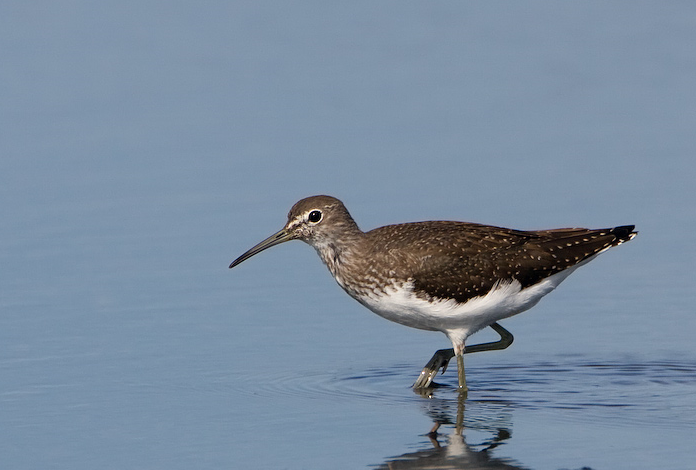
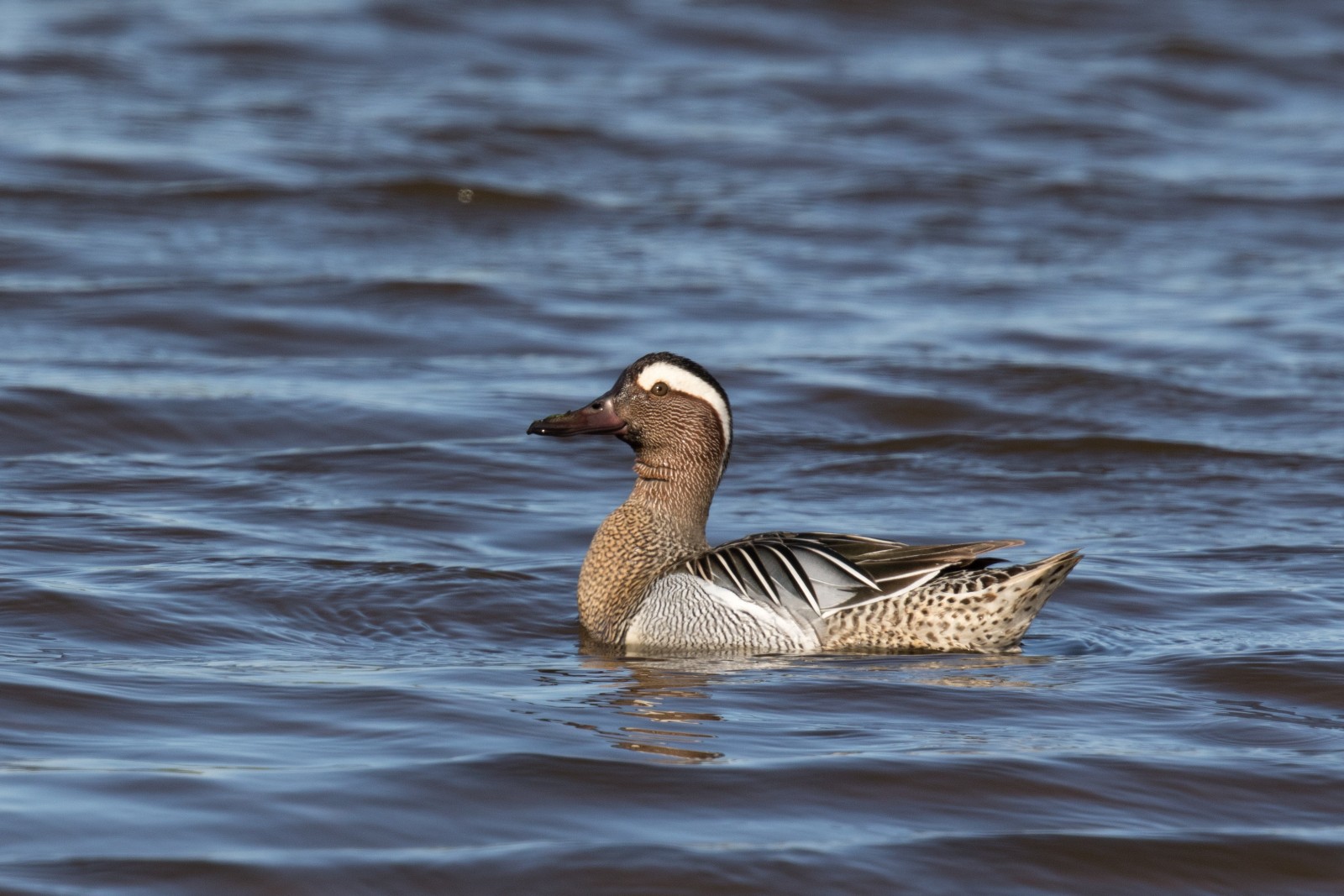
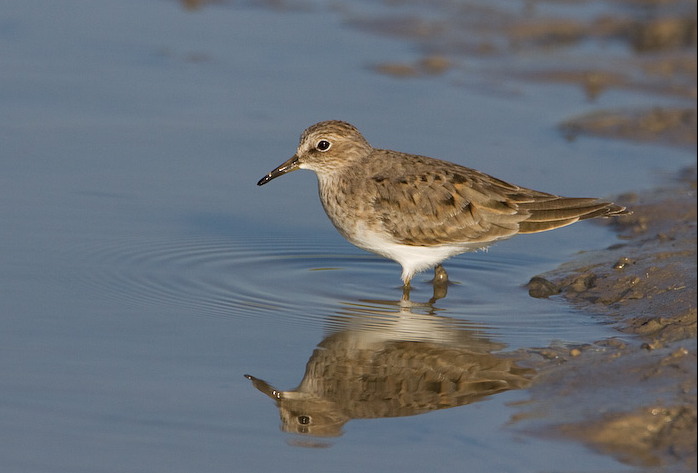
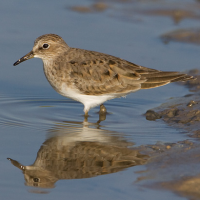
Up to May 2021, the site list stood at 207. Birds of particular note in this time include Bonaparte's Gull, Eurasian Hoopoe, Spotted Sandpiper, Red Phalarope, Black Kite, Rough-legged Buzzard, Eurasian Spoonbill, Stone-curlew, Lesser Yellowlegs, Red-backed Shrike, Dusky Warbler and European Bee-eater. Little Egret occur regularly, and Osprey is recorded in most years. Common Buzzard are daily visitors, Eurasian Hobby is regular in the late summer and early autumn. Western Marsh Harrier are seen most years and Hen Harrier less regularly. Most passage waders have occurred including Avocet, Red Knot, Spotted Redshank, Ruddy Turnstone and Temminck's Stint. Up to three Black-necked Grebe were recorded in the spring of 2000 and again in 2012 and 2014. In winter, up to 400 Eurasian Wigeon and 500 Northern Lapwing are regularly present. There is a large colony of breeding Black-headed Gull and 15-20 pairs of Common Tern.
There are two established feeding stations which attract a variety of species including Eurasian Nuthatch and Great Spotted Woodpecker. Brambling have visited regularly over previous winters. A 5 acre field has been set aside to provide food and cover for finches and buntings in winter and has attracted flocks of over 100 Yellowhammer and 60 Reed Bunting and up to 300 Linnet, though numbers vary considerably.
In May 2010, with help from Natural England, an area of some 16 acres of former arable ground was shaped into wet grassland with scrapes, suitable for breeding and feeding habitat for waders. Two hides have been constructed overlooking the field, linked by a series of paths through the 13 acre Siden Hill Wood. Small car parks are located at either end of this walk, which lies west of the River Blythe and can be reached, on foot, from the main reserve.
Details
Access
Small car parks are located at either end of this walk, which lies west of the River Blythe and can be reached, on foot, from the main reserve. There are walking trails to the hides all around the reserve. Click on the P in the map to get directions.
 ) to insert bird names in your own language. The birdnames will automatically be translated for other users!