Description
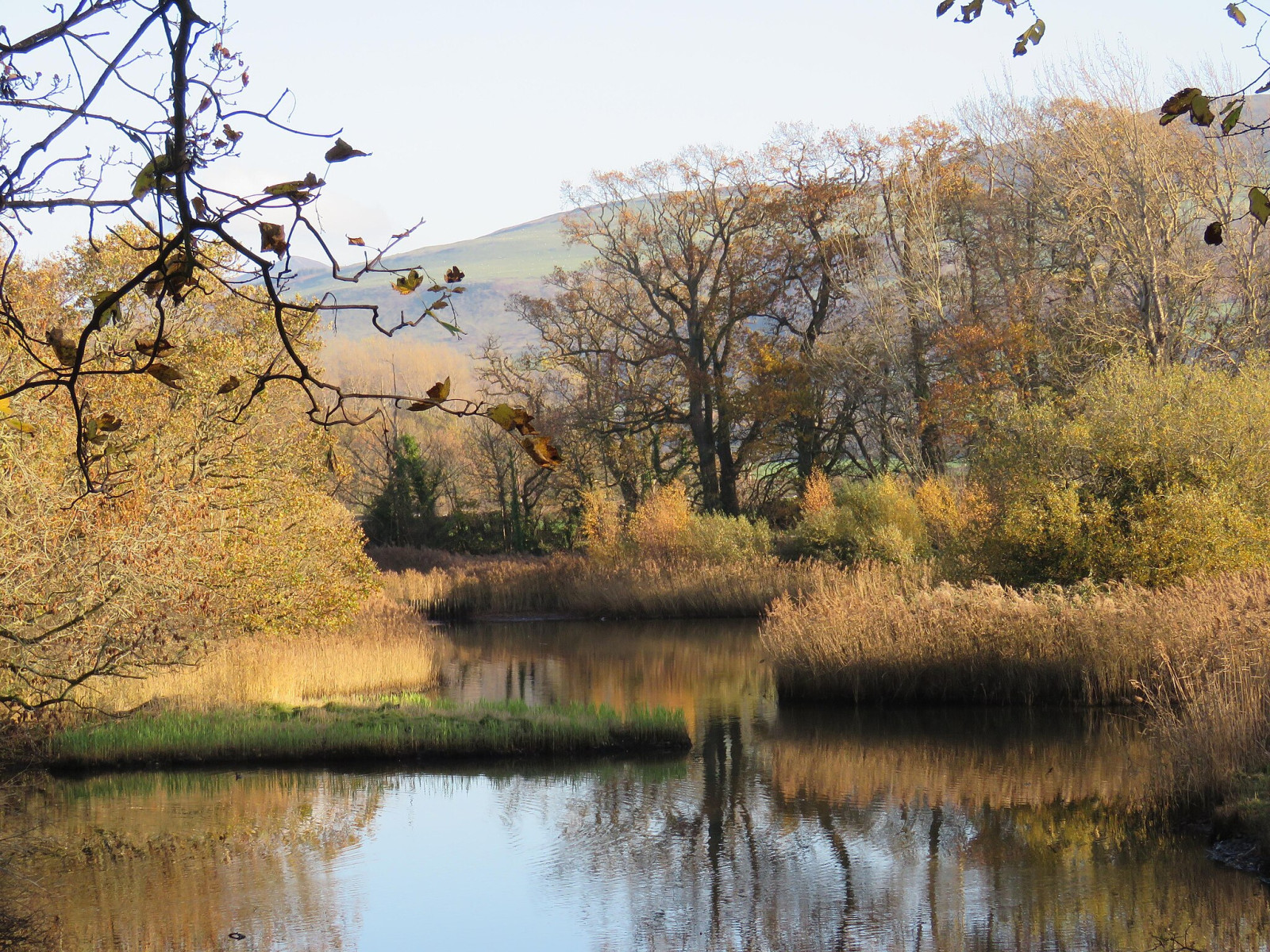
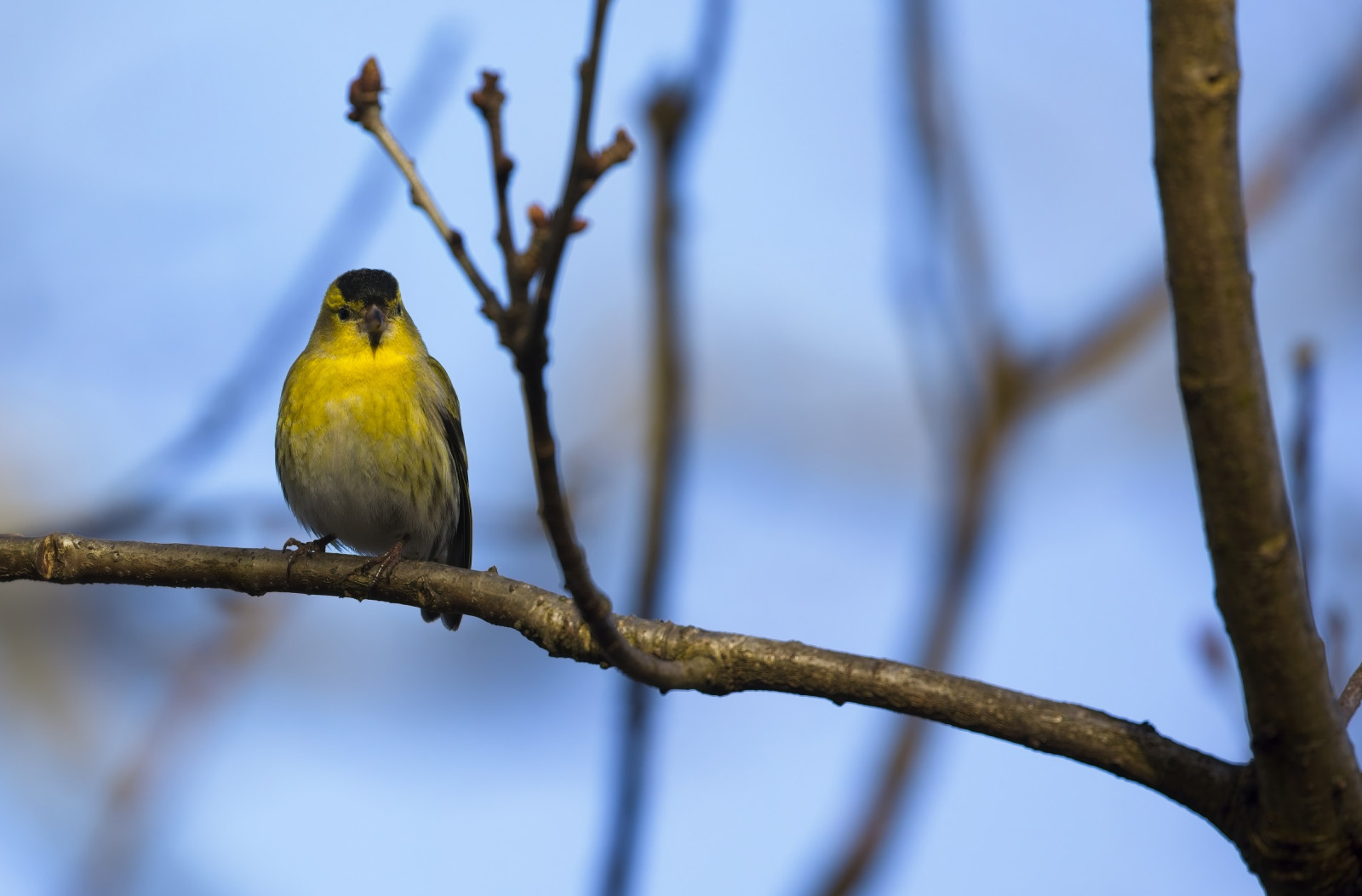
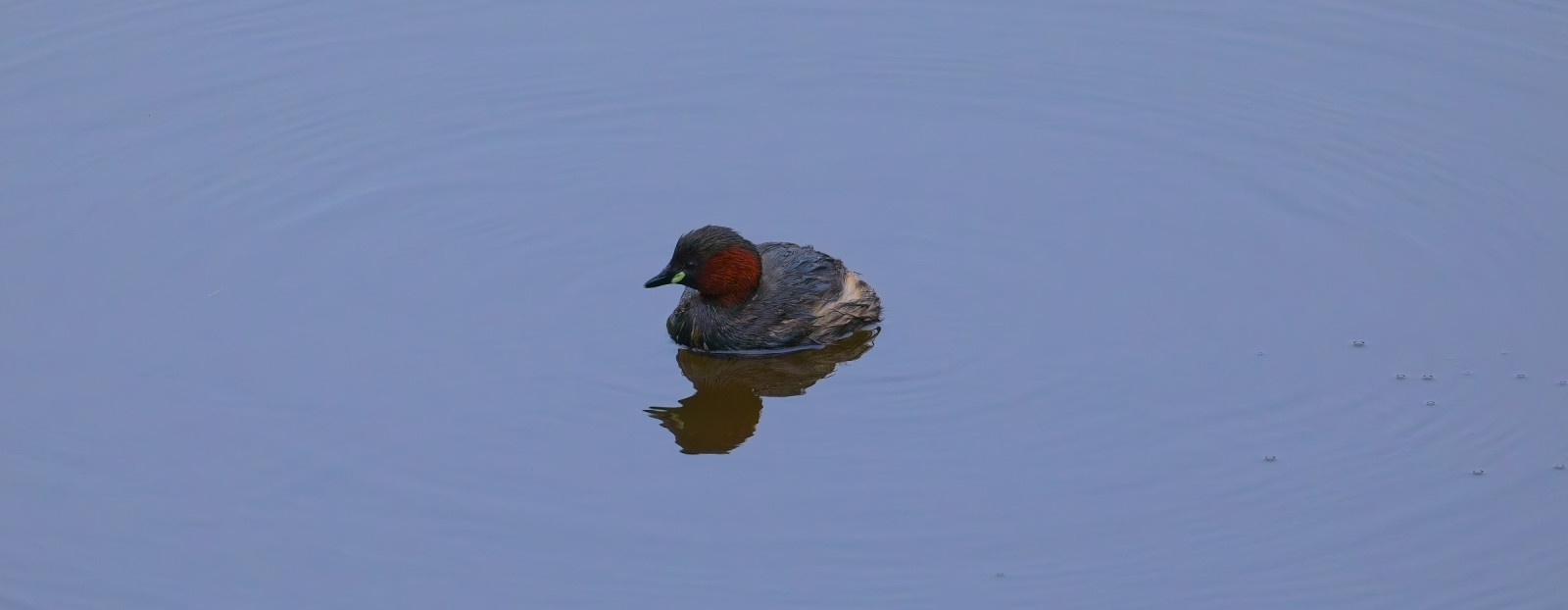
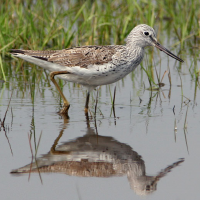
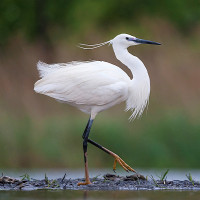
Spinnies Aberogwen’s series of lagoons and surrounding habitat provide shelter and food for wildfowl, waders and smaller birds, especially during the autumn and spring migration. The reserve is next to the estuary of the River Ogwen and the tidal mudflats known as Traeth Lafan, and the constant ebb and flow of the tides attract some amazing species – including, on rare occasions, Osprey. Tall, graceful stands of Common Reed provide sheltered nest sites for Eurasian Moorhen as well as an excellent place to watch Grey Heron and Little Egret hunting. In autumn and winter, Common Greenshank is regular, particularly at high tide when the adjacent Traeth Lafan sands are covered. For much of the year, Common Kingfisher is a familiar sight as it perches around the reserve and dives into the water in search of prey. Bird hides and feeders provide opportunities to enjoy the wildlife close at hand.
Details
Access
The Spinnies are located 5 km east of Bangor. The site is easily accessible from Junction 12 of the A55. Heading towards Bangor/Tal-y-Bont, look for the brown ‘Nature reserve’ sign. Follow it down a minor road for 1.5 km (1 mile) to reach the coastal car park (SH 615 723), before carefully walking back towards either entrance to the reserve. There is a car park near the beach and a few spaces in the lay-by on the road once past the entrance to the reserve (Bangor LL57 3YH OS Map Reference, SH613720 - main entrance, OS Explorer Map OL17). The lane adjacent to the reserve is well used by local farm traffic and includes large vehicles. Please always park safely and avoid obstructing the lane or any gateway. Large car park at the shore. Limited parking at roadside south of here (SH614721). Bicycle parking just inside the main entrance.
From the car park near the beach walk back along the road to the reserve entrances where a short walk takes you to one of three hides. It is also possible to walk along the shingle beach but it is uneven, difficult walking and should be avoided as high tide approaches as feeding birds will be disturbed. There is limited parking adjacent to the Kingfisher Bird Hide . The main entrance should only be used as a drop-off point for less-abled visitors. Please bear in mind that this area is used as a turning area for farm vehicles.
Please stay on the well-marked paths, avoid walking to the reserve along the shoreline and do not approach the lagoons. Most paths (and two of the hides) are wheelchair-accessible. Please respect other users of the bird hides and avoid excessive noise. At busy times please be considerate of other hide users.
Terrain and Habitat
Wetland , Sea , Reedbeds , PondConditions
Flat , High water possibleCircular trail
YesIs a telescope useful?
NoGood birding season
All year roundBest time to visit
Spring migration , Spring , Autumn , Autumn migration , WinterRoute
Wide pathDifficulty walking trail
EasyAccessible by
FootBirdwatching hide / platform
YesExtra info
Best time to visit is autumn and spring for migrants and summer for breeding birds. An hour or so either side of high tide is best for views of birds on the estuary. See the link below for the tides table of the area.
 ) to insert bird names in your own language. The birdnames will automatically be translated for other users!