Beskrivning
An artificial reservoir created from a former lignite mine, the area has developed a wetland ecosystem that attracts various birds. Approximately 64 bird species have been observed over the years.
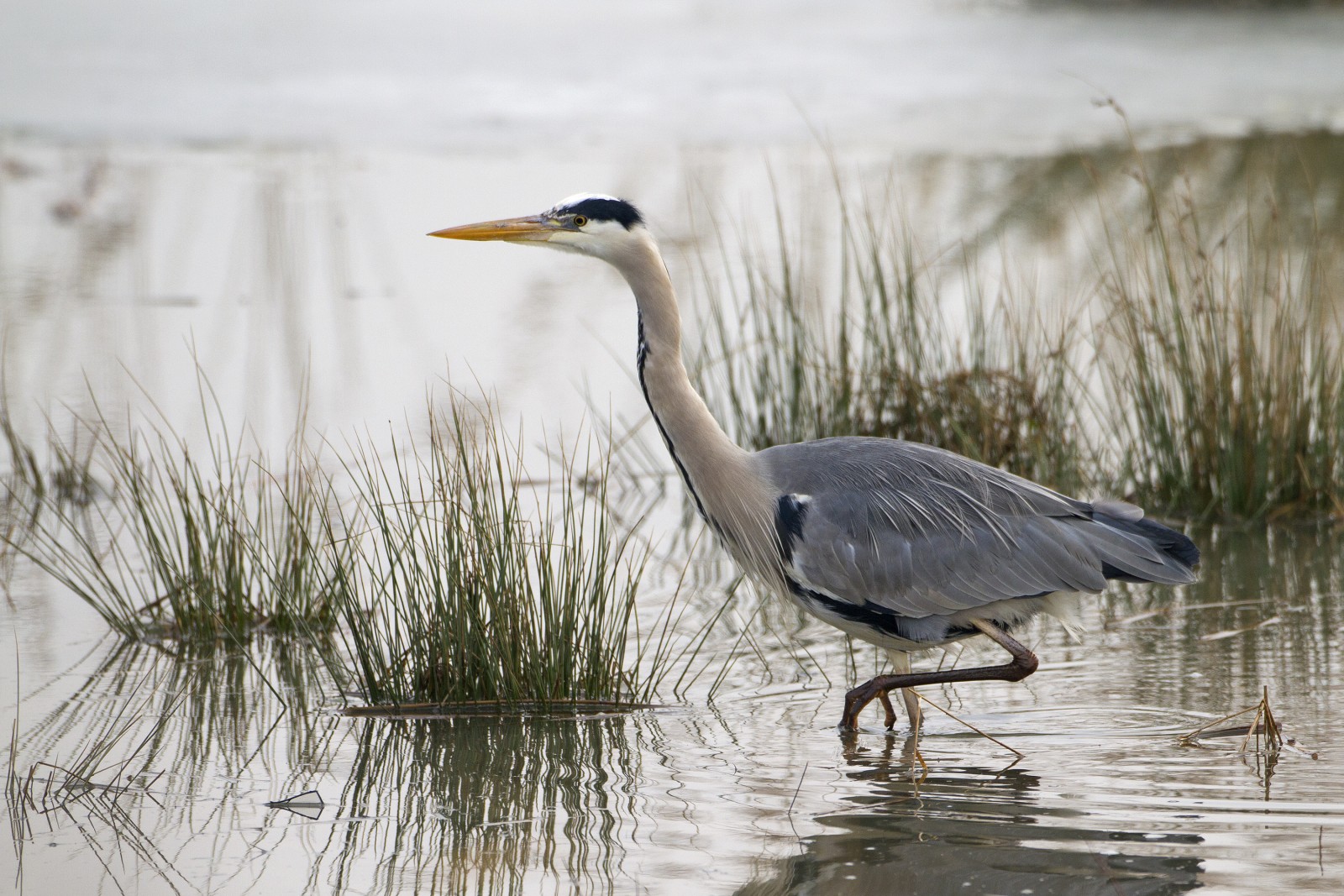
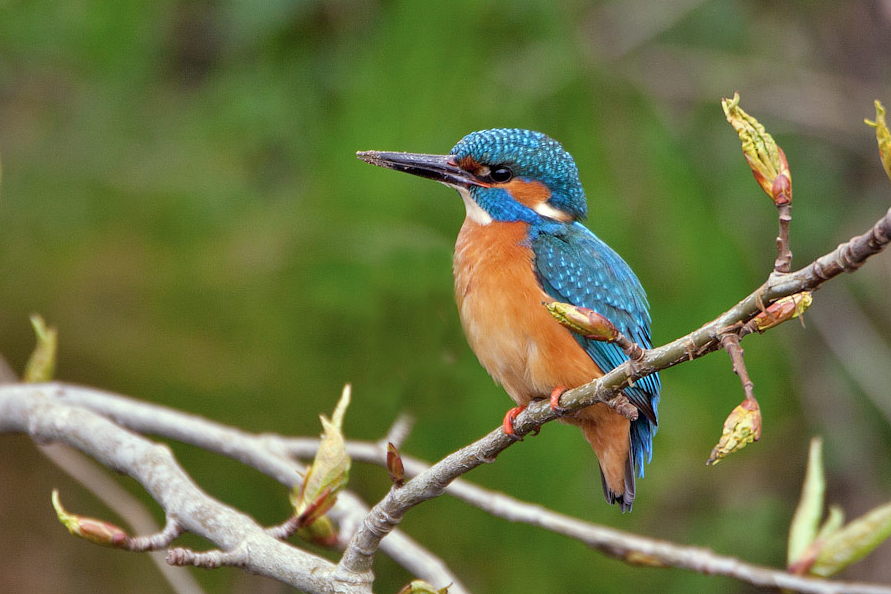
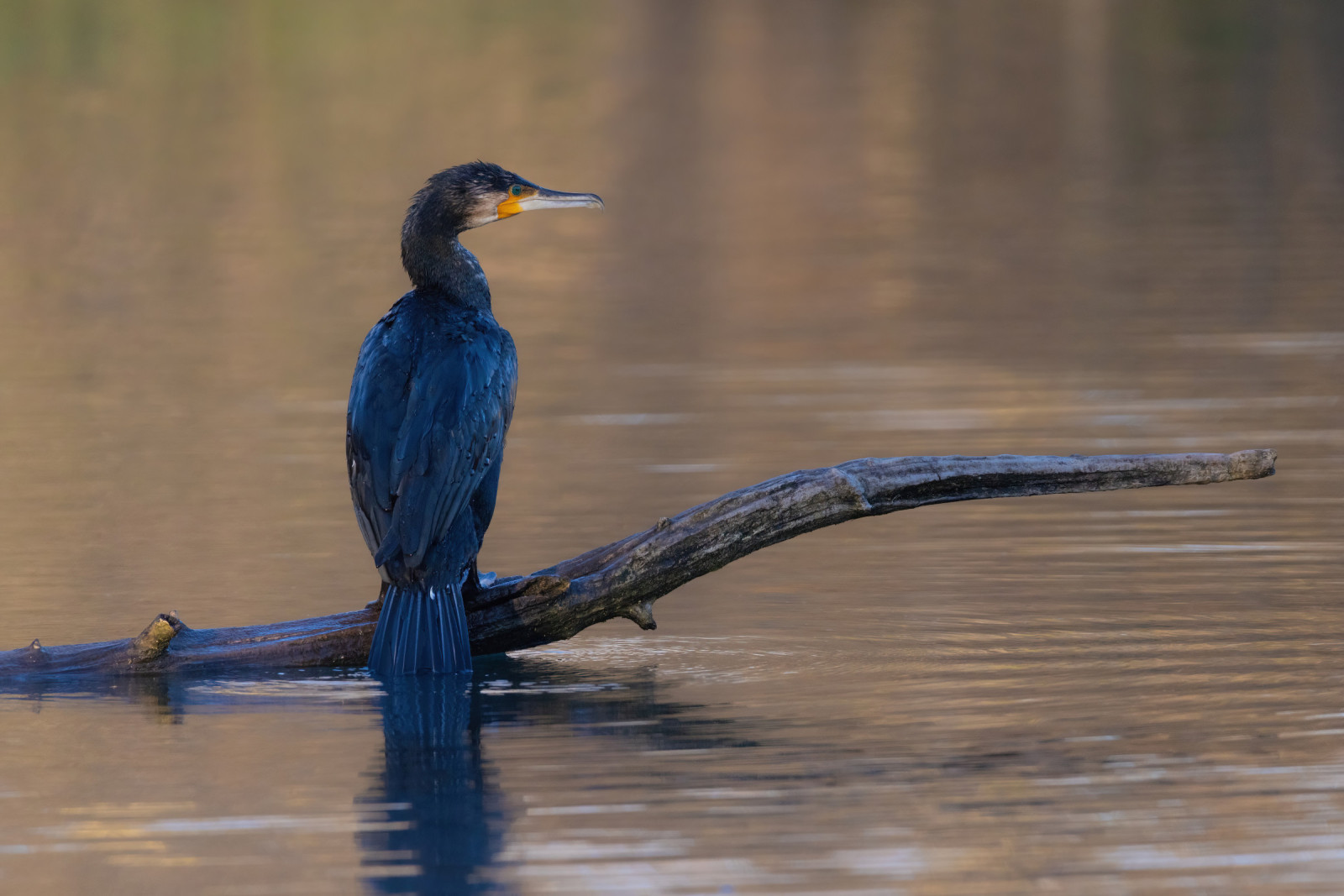
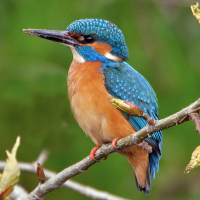
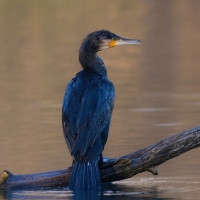
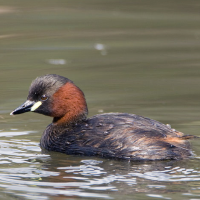
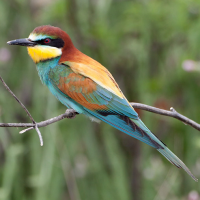
Among the ardeids, the gråhäger is a constant presence. Silkeshäger and natthäger are also frequent, using the banks for hunting. Among the anatids, the gräsand is the most widespread species, but during migration or wintering periods, Skedand and årta can also be observed. Among the rallids, rörhöna and sothöna are common within the riparian vegetation. Other common aquatic species include Storskarv, which often perch on emerged branches, and Smådopping. The kungsfiskare can be spotted hunting along the streams that feed the lake. The reforestation process of the former mine has created favorable habitats for tornfalk and ormvråk. The hedgerows and young woodlands host svarthätta, gulhämpling, Härfågel, and various species of tits.
_________________________
Italiano: Invaso artificiale originato dal recupero di un'ex miniera di lignite, l'area ha sviluppato un ecosistema umido che attira diverse specie di uccelli, circa 64, osservate negli anni. Hotspot per il monitoraggio delle specie locali e migratorie, è un sito interessante per il birdwatching e ospita vari uccelli acquatici e di canneto.
Tra gli ardeidi L'Airone cenerino è una presenza costante; sono frequenti anche la Garzetta e la Nitticora, che utilizzano le sponde per la caccia. Tra gli anatidi il Germano reale è la specie più diffusa, ma durante i periodi di passo o svernamento si possono osservare anche il Mestolone e la Marzaiola. Tra i rallidi La Gallinella d'acqua e la Folaga sono comuni tra la vegetazione ripariale. Tra le altre specie acquatiche sono comuni i Cormorani, che spesso sostano sui rami emersi, e il Tuffetto. Si può avvistare il Martin pescatore in caccia lungo i borri che alimentano il lago. Il processo di rimboschimento dell'ex miniera ha creato habitat favorevoli per il Gheppio e la Poiana. Le siepi e i boschi giovani ospitano la Capinera, il Verzellino, l'Upupa e varie specie di cince.
Detaljer
Tillgänglighet
From Florence or Arezzo (A1): Exit at Valdarno. At the roundabout immediately after the toll booth, follow the signs for San Giovanni Valdarno and then for Cavriglia / Castelnuovo dei Sabbioni. From national/regional roads: From San Giovanni Valdarno, take the SR69 and then turn onto the provincial road towards Castelnuovo dei Sabbioni. The lake is located in the area of the former lignite mine, between the hamlet of Castelnuovo and the border with the municipality of Figline e Incisa Valdarno.
_________________________
Italiano: Da Firenze o Arezzo (A1): Esci al casello Valdarno. Alla rotonda subito dopo il casello, segui le indicazioni per San Giovanni Valdarno e successivamente per Cavriglia / Castelnuovo dei Sabbioni. Dalle strade statali/regionali: Da San Giovanni Valdarno, prendi la SR69 e poi devia sulla strada provinciale in direzione Castelnuovo dei Sabbioni. Il lago si trova nell'area dell'ex miniera di lignite, tra la frazione di Castelnuovo e il confine con il comune di Figline e Incisa Valdarno.
Terräng och habitat
Spridda träd och buskar , Våtmark , Skog , VassarFörhållanden
PlattRundtur
NejTubkikare behövs?
Kan vara användbartBästa säsong för skådning
Året runtBästa tid för ett besök
Vårsträck , HöststräckRutt
GrusvägHur ansträngande vandring
Lätt vandringNås
Till fots , CykelFågeltorn / plattform
NejExtra information
The trails surrounding the basins (including Lakes Allori and San Cipriano) offer several vantage points and are accessible both on foot and by mountain bike. The migration seasons (spring and autumn) are the best times to see the greatest variety of species. We recommend using a good pair of binoculars and wearing camouflage clothing.
_________________________
Italiano: I sentieri che circondano i bacini (inclusi i laghi di Allori e San Cipriano) offrono diversi punti di osservazione e sono accessibili sia a piedi che in mountain bike. Le stagioni di migrazione (primavera e autunno) sono i momenti migliori per vedere la massima diversità di specie. Si consiglia l'uso di un buon binocolo e abbigliamento mimetico.
 ) Lägg till fågelnamen på ditt egna språk, namnen kommer automatiskt översättas till andra användare.