Beskrivning
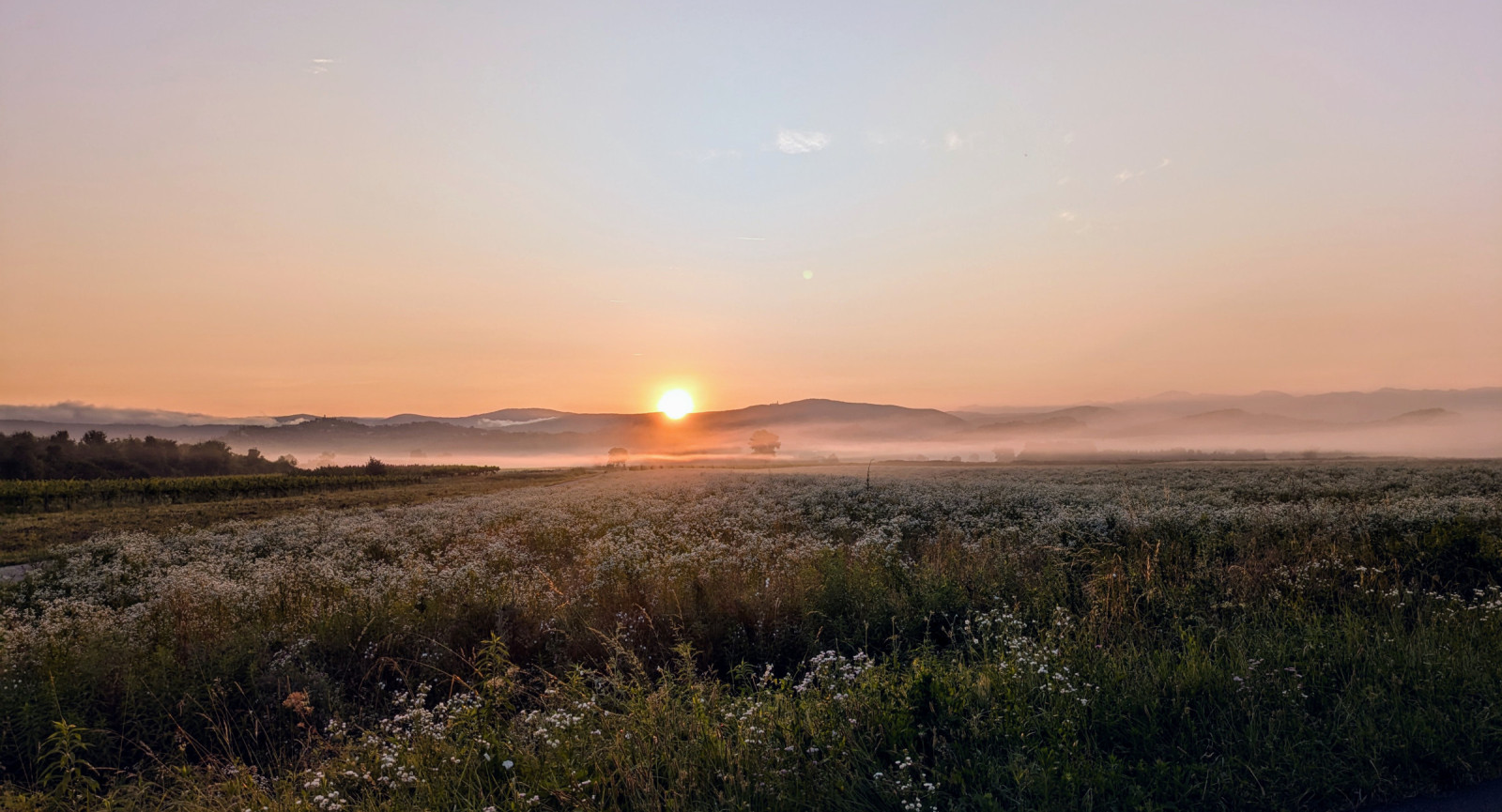
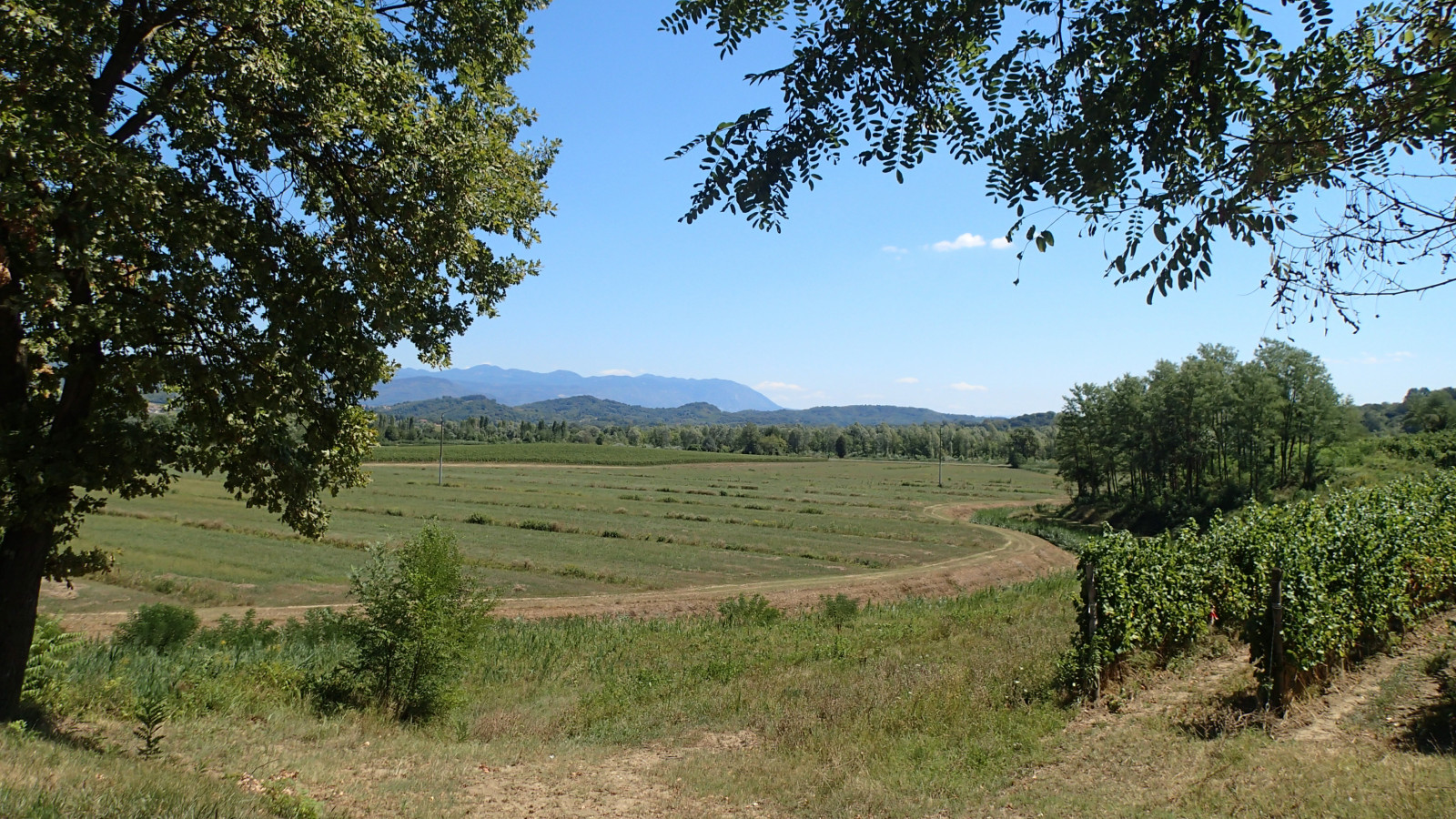
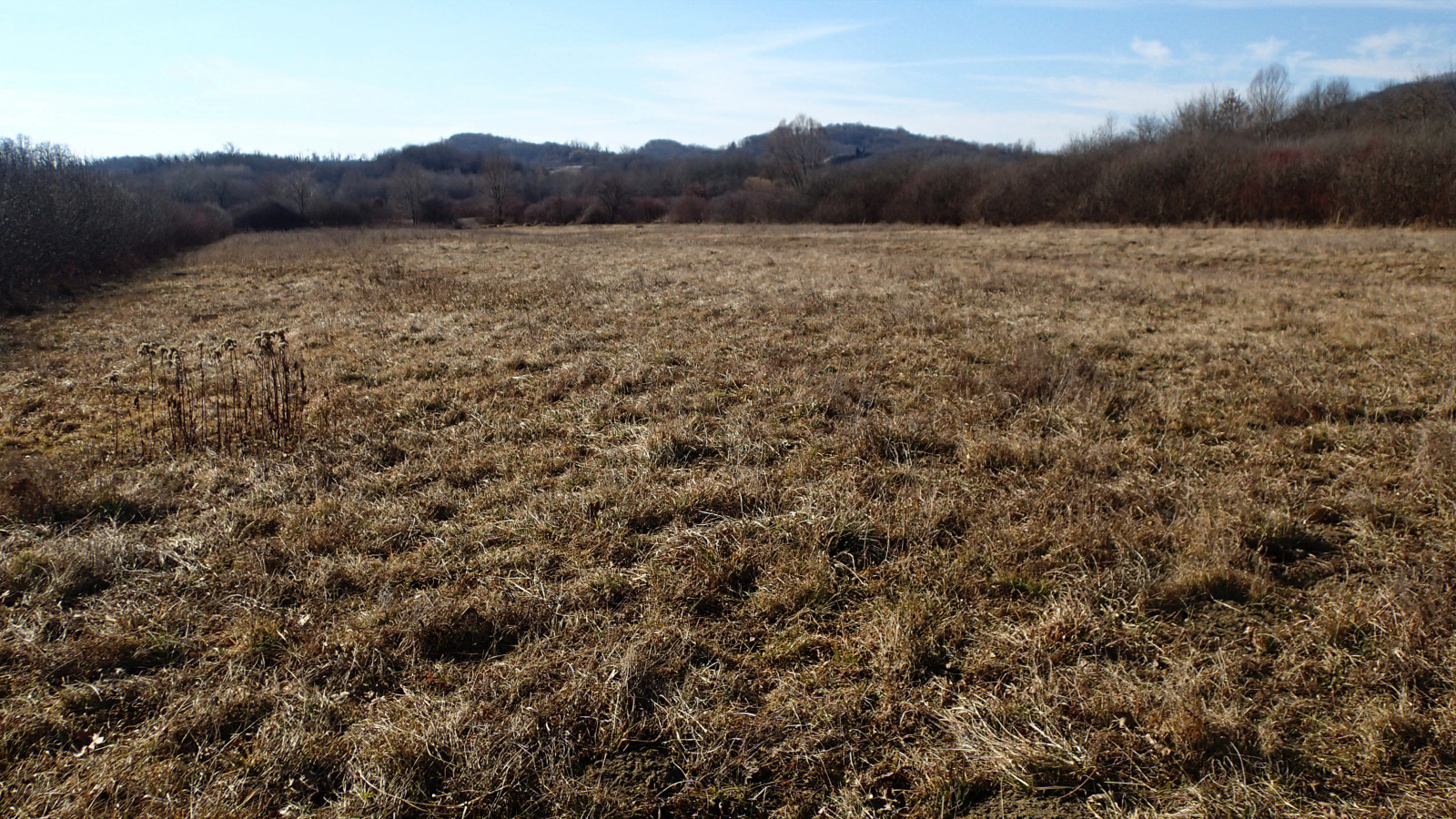
The Piana del Preval plain, surrounded by hills, is 5 km long and 2 km wide. Over the millennia, the plain was preserved as a marshy area, dotted with wet meadows, hygrophilous woods, marshes and peat bogs, and characterized by an exuberant fauna and flora biodiversity, rich in glacial relicts. In the thirties of the twentieth century, the first reclamation works were undertaken, but, despite the major changes made by man, it is still an area of great environmental value and, in recognition of it, since 2013 it has been designated as SAC (Special Area of Conservation) according to the European Habitat Directive.
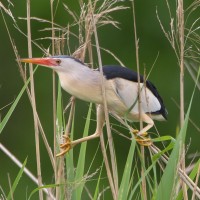
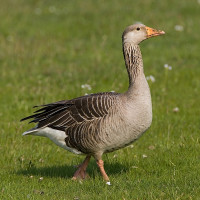
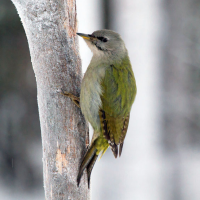
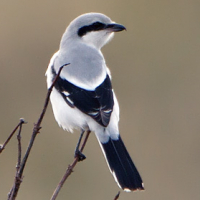
The bird checklist consists of more than 200 species, but this small wetland is also important for hosting abundant populations of amphibians and reptiles, often of great conservation value, such as the Yellow-bellied toad, the Lataste's frog, the Italian Crested newt or the European pond turtle, but also a large community of micro-mammals, such as the Water vole or Miller's water shrew, and of mammals, such as the Wild cat and the Skunk, alongside more common species, such as Squirrel, Hare, Fox, Badger, Wild boar, Roe deer.
_________________________
Italiano: La piana del Preval, circondata da colline, è lunga 5 km e larga 2 km. Nel corso dei millenni, la piana è stata preservata come area paludosa, punteggiata da prati umidi, boschi igrofili, acquitrini e torbiere, e caratterizzata da un'esuberante biodiversità di fauna e flora, ricca di relitti glaciali. Negli anni Trenta del Novecento, sono stati intrapresi i primi lavori di bonifica, ma, nonostante i grandi cambiamenti apportati dall'uomo, è ancora un'area di grande valore ambientale e, in riconoscimento di ciò, dal 2013 è stata designata come SAC (Zona Speciale di Conservazione) secondo la Direttiva Habitat europea. La lista ornitologica comprende più di 200 specie, ma questa piccola zona umida è importante anche perché ospita abbondanti popolazioni di anfibi e rettili, spesso di grande valore conservazionistico, come l'ululone dal ventre giallo, la rana di Lataste, il tritone crestato italiano o la testuggine palustre europea. Vi si trova inoltre una numerosa comunità di micromammiferi, come l'arvicola acquatica o il toporagno d'acqua di Miller, e di mammiferi come il gatto selvatico e la puzzola, oltre a specie più comuni quali lo scoiattolo, la lepre, la volpe, il tasso, il cinghiale e il capriolo.
Detaljer
Tillgänglighet
The area can be reached by car from several access points: Cormons, Capriva, Mossa (all villages situated along the SR56). It is best visited by bike.
_________________________
Italiano: L'area è raggiungibile in auto da diversi punti di accesso: Cormons, Capriva, Mossa (tutti paesi situati lungo la SR56). È preferibile visitarla in bicicletta.
 ) Lägg till fågelnamen på ditt egna språk, namnen kommer automatiskt översättas till andra användare.