Beskrivning
New Zealand's native birds and wildlife evolved without mammalian predators on land (the only native land mammals are bats). This left many species vulnerable to introduced predators such as rats, stoats, and feral cats, which have had devastating impacts on native populations. To protect threatened species, New Zealand has established predator-controlled sanctuaries, with Zealandia being one of them. These fenced reserves are combined with intensive trapping programs to create pest-free or pest-controlled environments. These sanctuaries are birds' and birders' heavens and offer plenty of opportunities to see species that are rare or absent in unmanaged areas.
Zealandia is such a wildlife sanctuary. What makes it special, in addition to being home to a large number of endemic species, is that it is wedged into a valley between different neighborhoods within Wellington, New Zealand’s capital. As such, it offers one of the simplest ways to encounter plenty of interesting and rare wildlife in the country.
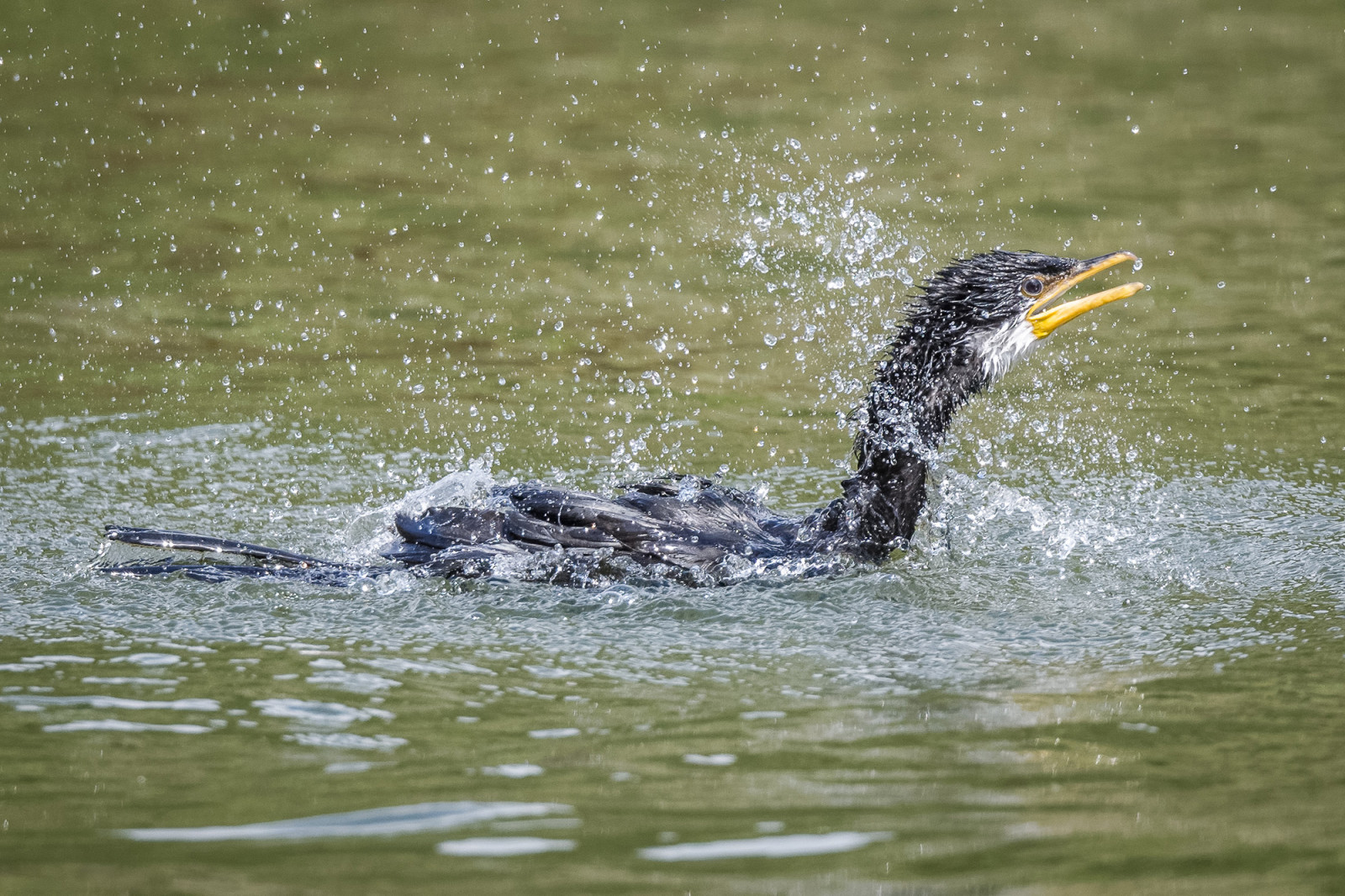
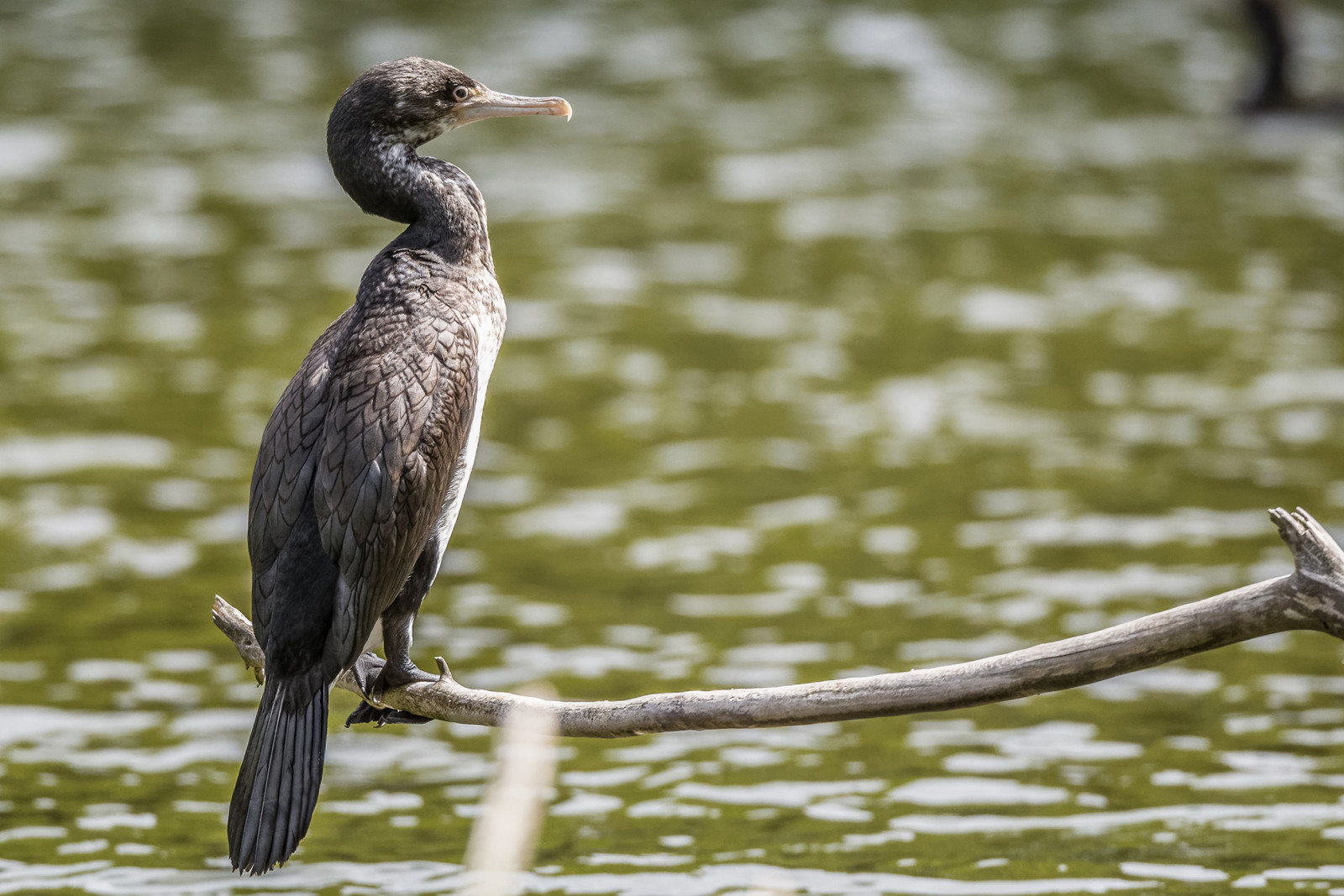
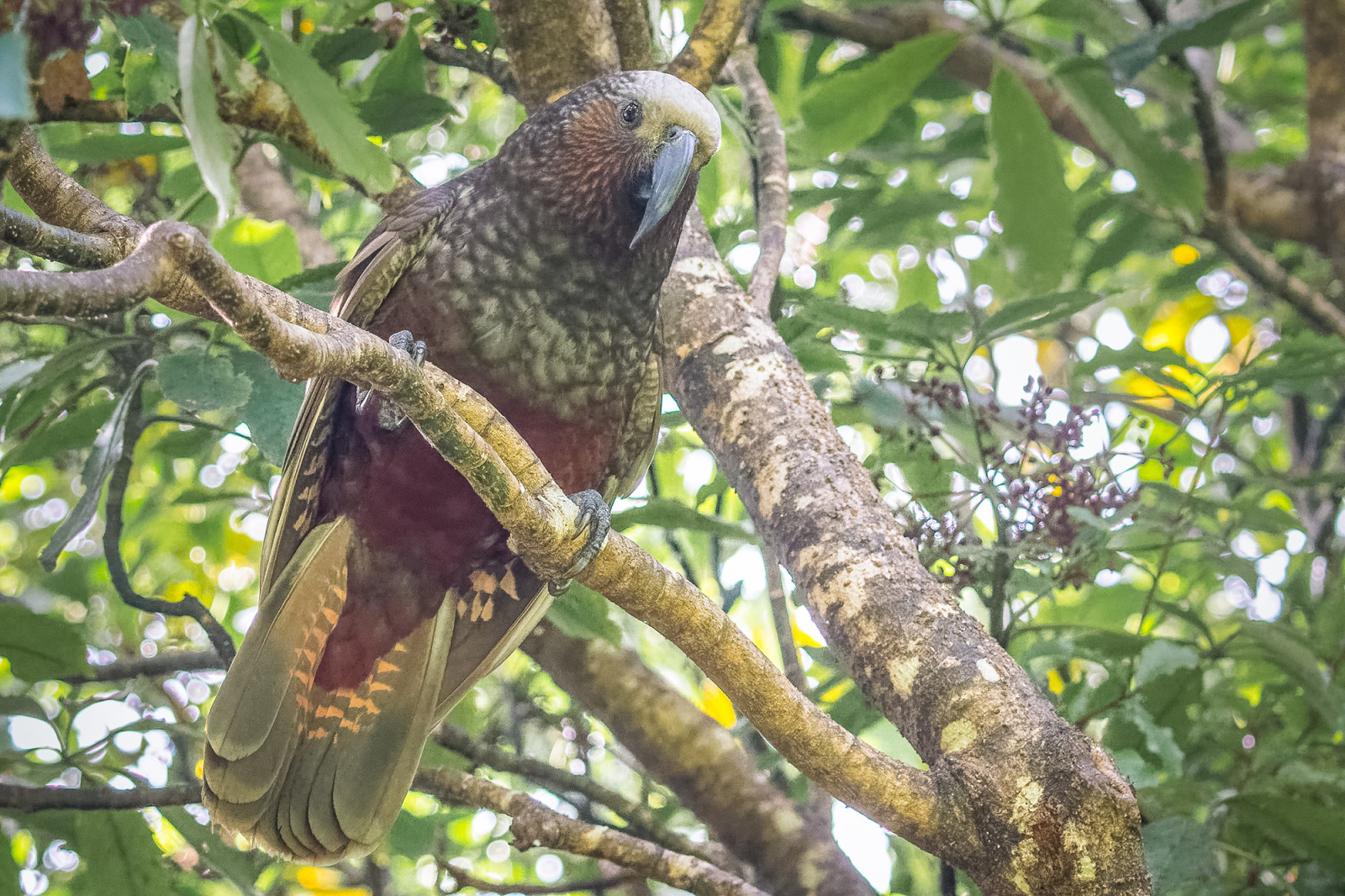
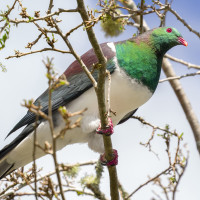
Bird species you might encounter here include the Rifleman, North Island Saddleback, Whitehead, New Zealand Kaka, Red-crowned Parakeet, North Island Robin, Hihi (Stitchbird) as well as South Island Takahe.
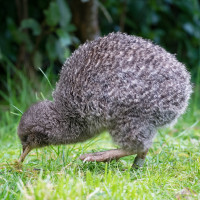
Little Spotted Kiwi have been successfully reintroduced to Zealandia. Night tours can be booked for the best chance of seeing them, though some visitors patrol along the perimeter fences at dusk hoping to catch a glimpse of kiwi venturing near the boundaries.
The wetlands and lake are homte to waterfowl including New Zealand Scaup and New Zealand Dabchick, while the forest canopy rings with birdsong throughout the day. With over 32 kilometers of tracks, visitors can spend several hours exploring different habitats.
Detaljer
Tillgänglighet
Getting to Zealandia is a cakewalk: you can get here by car or take one of several bus lines from downtown Wellington. Press P on the map for directions to the parking lot.
Zealandia is open daily (closed Christmas Day), typically from 9:00 AM to 5:00 PM, with extended hours in summer. Entry requires a ticket, which can be purchased online or at the visitor center. Night tours for kiwi spotting must be booked far in advance.
The 225 hectare sanctuary features paved tracks, parts of which are wheelchair accessible, as well as more challenging hiking tracks that include steep elevation changes. There are lakes and wetlands, a suspension bridge, a café and several other places of interest on the property. You can easily spend a whole day here.

 ) Lägg till fågelnamen på ditt egna språk, namnen kommer automatiskt översättas till andra användare.