Beskrivning
Lasy Radłowskie Reserve is mainly composed of oak- and pine-dominated forests, with areas containing birch, hornbeam, alder, willow and lime tree. Both older and younger parts make a diverse environment for animals and plants. With a mosaic of man-made water reservoirs and fishponds it is also full of water-dependant organisms, especially birds, both local and migratory.
What's important, a lot of fauna can be observed from the main trail that connects Wierzchosławice and Waryś, so it doesn't require a lot of exploring.
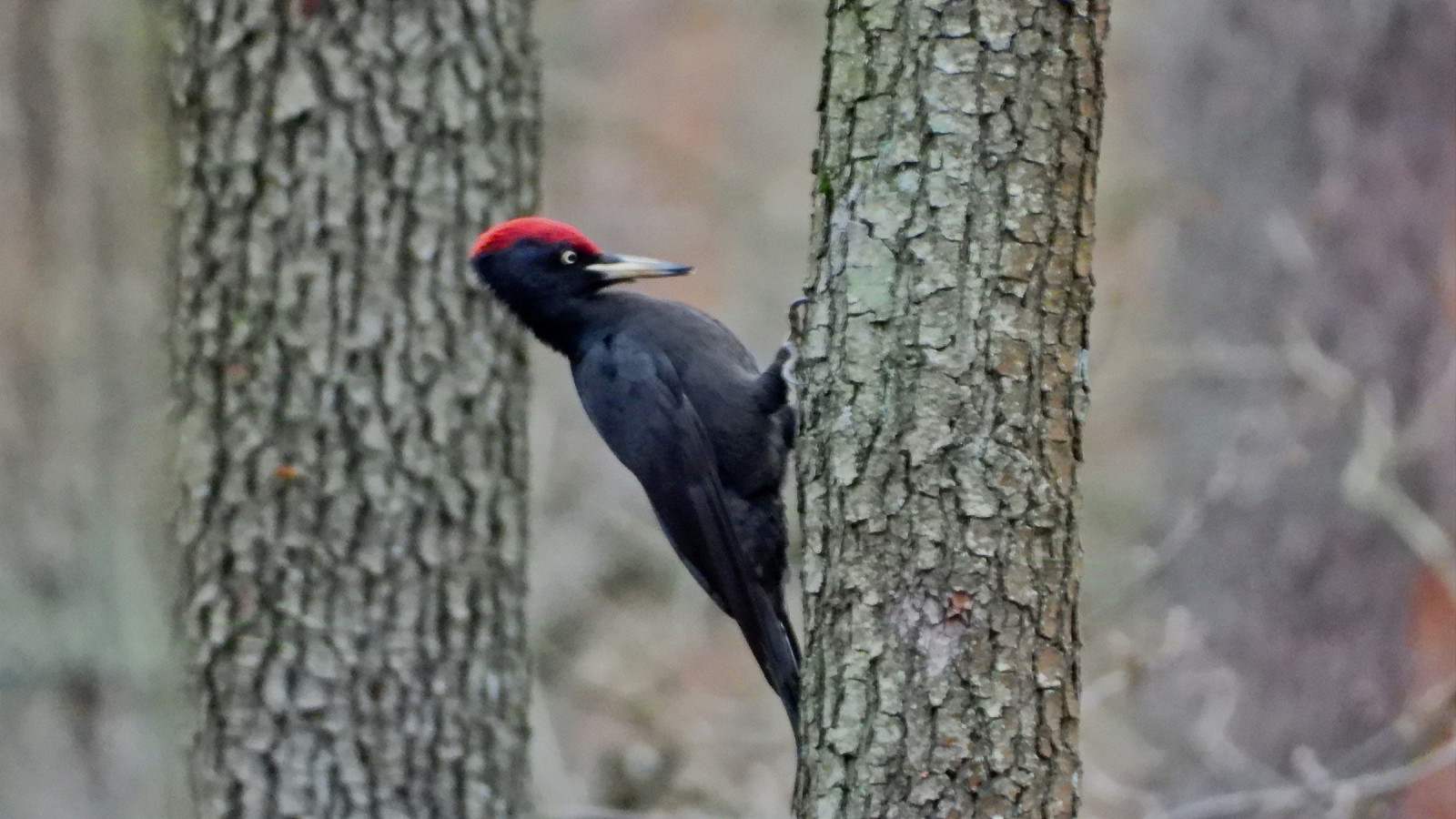
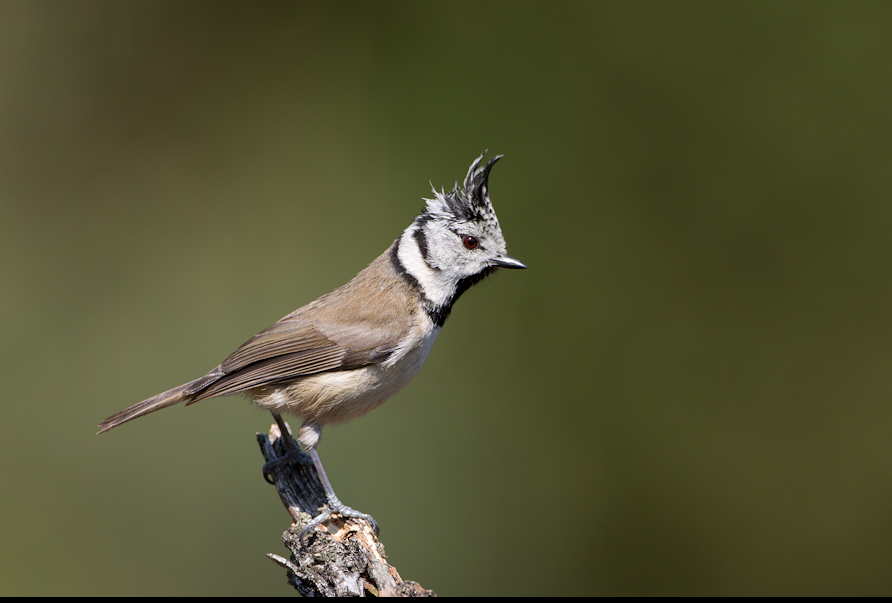
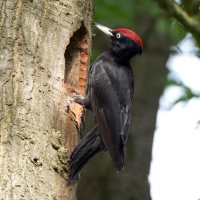
There are plenty of common forest bird species, all native tit and chickadee species, especially tofsmes, which can be found in pine-dominated areas, as well as many species of woodpeckers, like gråspett, mellanspett and spillkråka, which all often can be seen from the main trail, especially near the parking place in Wierzchosławice.
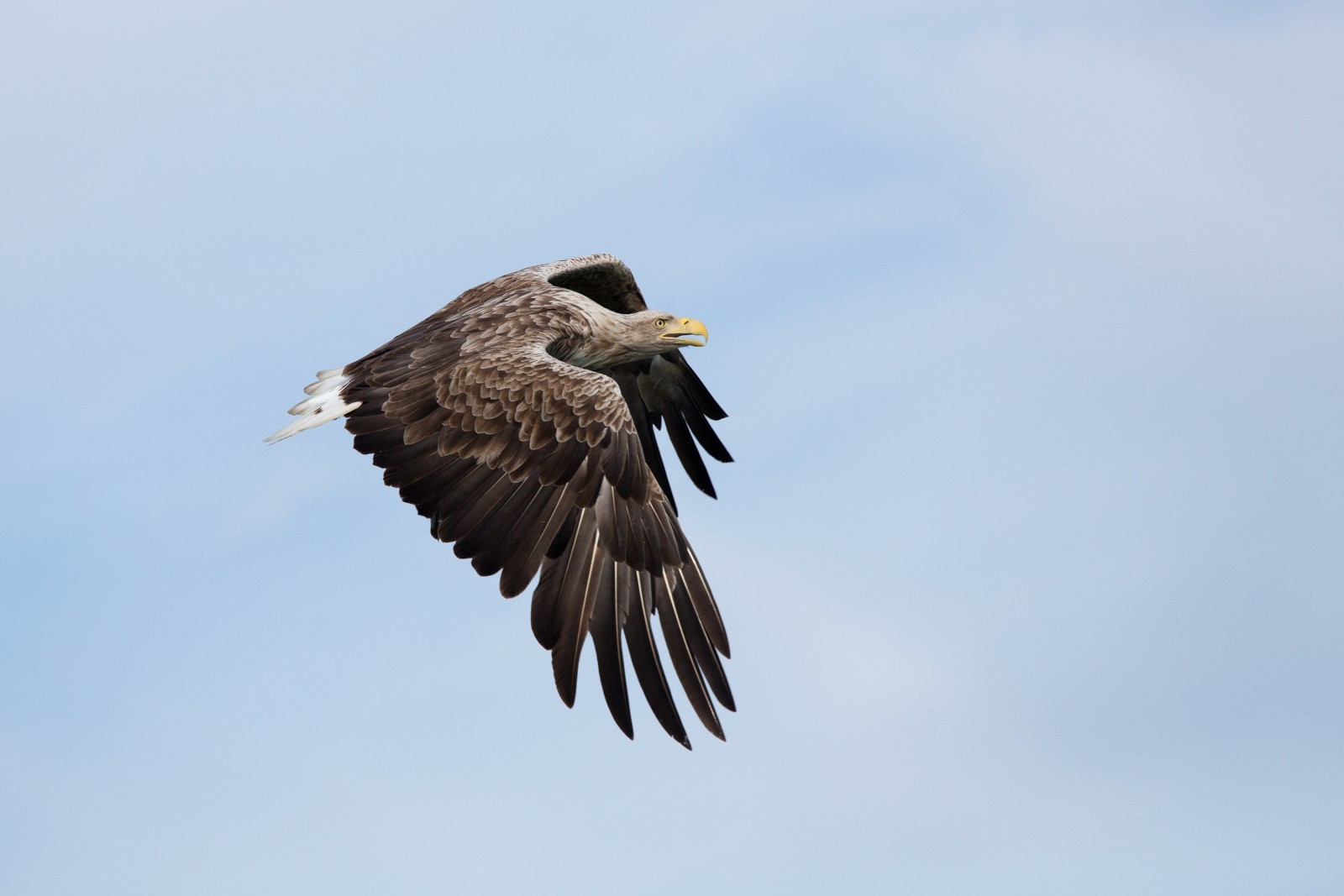
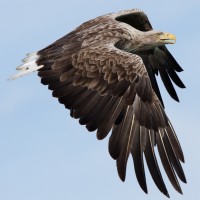
There are a few species of raptors, mostly ormvråk and sparvhök. Near fishponds there can be seen some resting havsörn and, especially during migration, Fiskgjuse. Lasy Radłowskie is home to a few species of owls, especially hornuggla, kattuggla, slaguggla and sparvuggla.
Around fishponds and wetlands there are some areas overgrown with reeds. They are home of many species of passerines, especially species from genus Acrocephalus, vassångare and Sävsparv.
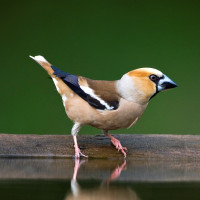
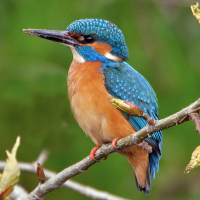
Other, common species: gräsand, Smådopping, ringduva, mindre strandpipare, Storskarv, gråhäger, ägretthäger, kungsfiskare, större hackspett, mindre hackspett, Gröngöling, nötskrika, korp, svartmes, entita, talltita, blåmes, talgoxe, lövsångare, gransångare, stjärtmes, svarthätta, kungsfågel, Nötväcka, trädkrypare, trädgårdsträdkrypare, gärdsmyg, stare, dubbeltrast, taltrast, koltrast, rödhake, bofink, stenknäck, domherre, grönfink, steglits and grönsiska.
Detaljer
Tillgänglighet
The main trail is available from Wierzchosławice or Waryś village. There is a large parking place from Wierzchosławice side. Press a P on the map for directions. It's best to explore both the main trail and other areas by foot, but a bike can also be an option. Local people use the main trail as a shortcut for cars, but it's not advised to try this way of exploring in the forest (especially, there may be restrictions of the use of the road - only for residents/with permission). The main trail is easy, broad and quite flat, but other trails can be narrower and muddy. Access to some paths (especially ones around some fishponds) can be restricted.
Terräng och habitat
Skog , Våtmark , Spridda träd och buskar , Flod , Damm , Gyttjig strand , Park , VassarFörhållanden
Platt , Sumpigt , Halt , Risk för högvatttenRundtur
JaTubkikare behövs?
Kan vara användbartBästa säsong för skådning
Året runtBästa tid för ett besök
VårRutt
Asfalterad väg , Bred stig , Grusväg , Smal stigHur ansträngande vandring
Lätt vandringNås
Till fots , CykelFågeltorn / plattform
NejExtra information
Most birds here are very active - there isn't really a need to stimulate them if they are somewhere around. Please, avoid doing so. If you want to find most of the singing birds, try to be there as early, as possible (morning hours). Owls tend to show up mostly in the morning/evening hours.
Best to go along roads/paths, especially the main one, although it can get quite busy in warm weekends.
Hazards: ticks, deep mud, deep wetland. Keep in mind the presence of large animals (deer, moose, boars) and other people (local people driving through main trail, foresters, hunters, mushroom pickers, wanderers etc.)!!!
 ) Lägg till fågelnamen på ditt egna språk, namnen kommer automatiskt översättas till andra användare.