
Beskrivning
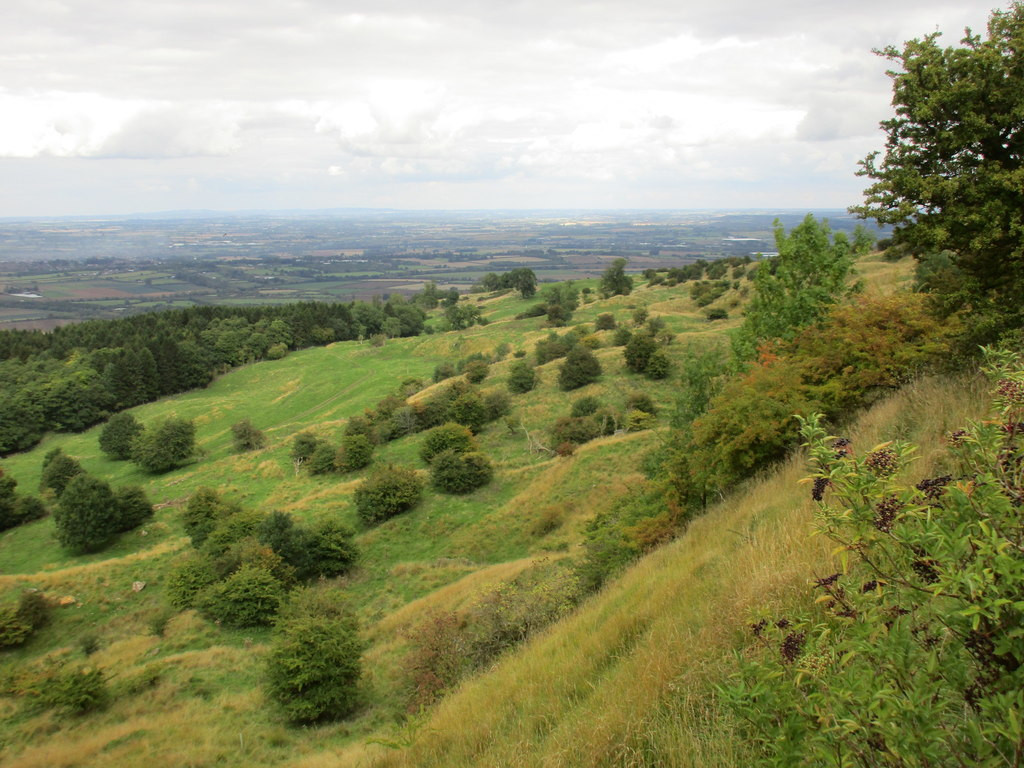
Bredon Hill's height and relative isolation makes it a beacon for migrating birds. Alongside this Bredon Hill as a wide range of habitats from Orchards to Woodlands to Farmland resulting in a range of scarce breeding birds. During the winter it can become a hostile and exposed site especially around the submit. However, some birds do choose to winter here especially on the sheltered slopes. Resident species that remain during the winter include entita, svarthakad buskskvätta, röd glada and Nötväcka. Other species including bergfink, Mindre korsnäbb, björktrast and rödvingetrast can also be found in number during the winter. Rarer species that have visited duirng this time include jorduggla, stenfalk, blå kärrhök and Varfågel .
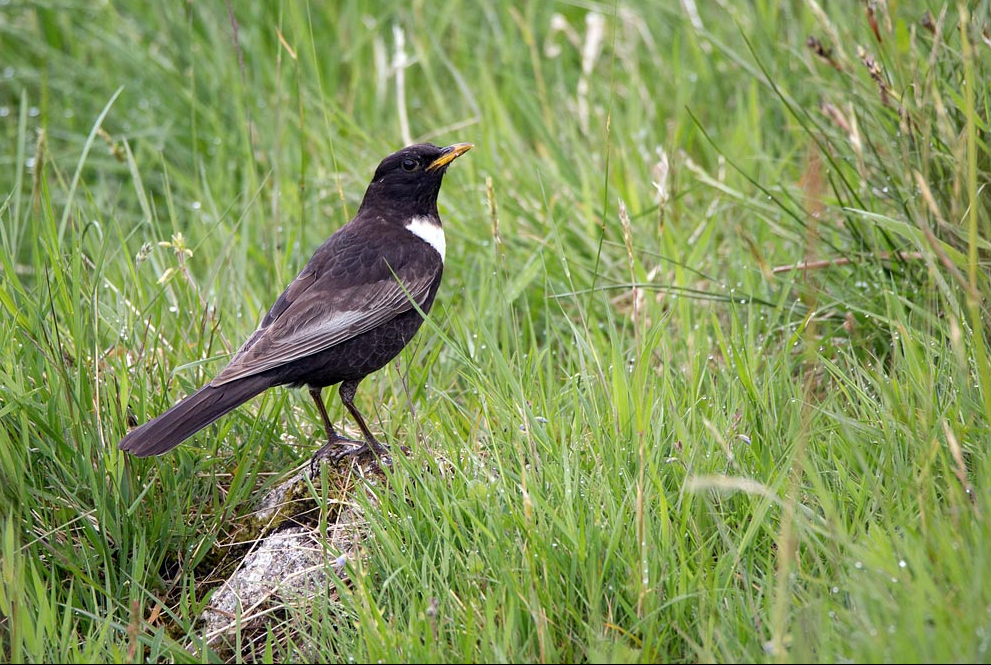
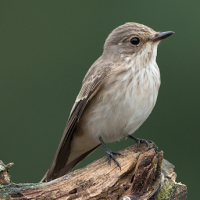
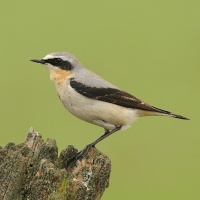
As it gets towards the end of March and the start of April the first spring migrants arrive starting with stenskvätta. Bredon Hill offers one of the best and most reliable places in the area for ringtrast with double figures most years. Other scarcer migrant species include buskskvätta, svart rödstjärt and svartvit flugsnappare. Bredon Hill also is one of the best locations for fjällpipare though these aren't annual. Spring rarities have included ängshök, tjockfot, vaktel and Brun glada.
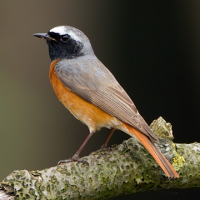
Breeding species that arrive in the spring include rödstjärt, trädpiplärka, trädgårdssångare and grå flugsnappare. Other common breeders include gulsparv, ängspiplärka and sånglärka. The autumn migration is much like the Spring and again ringtrasts are the target for most. Rarer species recorded in the autumn include stenknäck, snösparv and even a nunnestenskvätta!
Detaljer
Tillgänglighet
The hill is covered in footpaths that cover almost every part. However, these paths are steep in most places and can be very muddy. Parking can be acheived in any of the villages that surround the hill with Elmey Castle outside the church normally the favoured parking spot for many. The whole area is worth visiting with good habitat dotted around the hill however, the summit and Northern slopes are normally the favoured loaction for migrant species. The indicated circular route on the map is about 10 km long.
 ) Lägg till fågelnamen på ditt egna språk, namnen kommer automatiskt översättas till andra användare.