Beskrivning
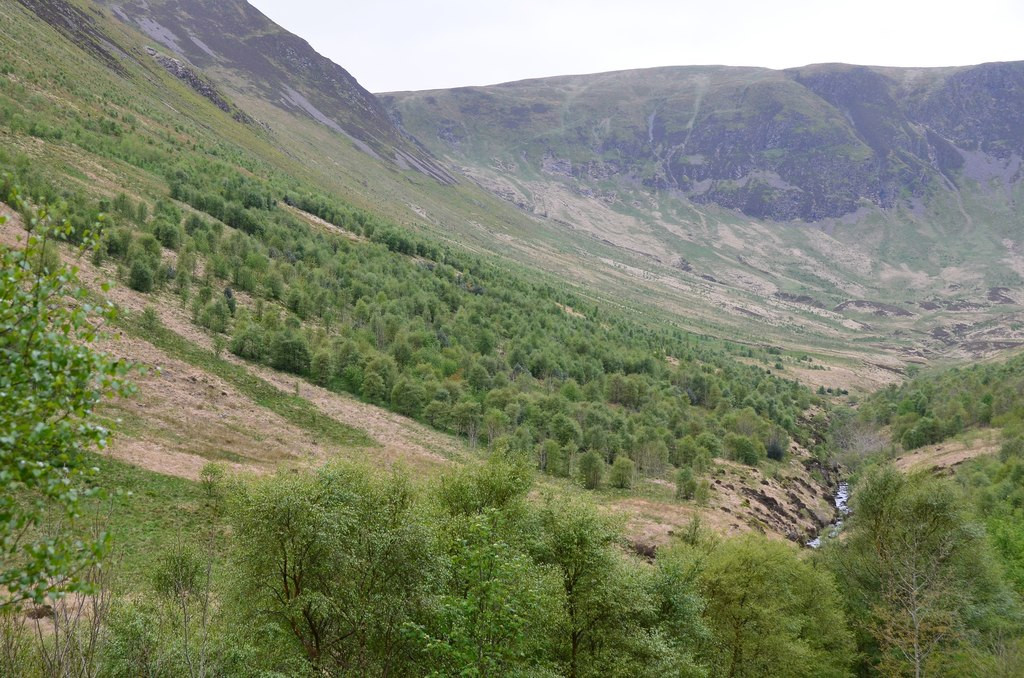
One of the largest areas of habitat restoration in Britain, over 700,000 native trees and shrubs have been planted, and wildlife is returning to the previously barren overgrazed 'green desert'.
Detaljer
Tillgänglighet
A remote site, unfortunately not accessible by public transport. Restricted parking at the 'P' sign; it is important to close the gate behind you after entering or leaving the site, to stop sheep from entering. On site, there is free right to roam over the entire area, but it is safest to stick to established paths; off-path it may be boggy, and the steeper slopes are dangerously craggy. A variety of paths can be taken, either staying in the lower parts of the valley, or ranging up onto the high hills at the top of the valley, a 600 m climb to the 821 m summit of White Coomb at the NE edge of the site.
Dogs are only admitted on a short lead, to minimise disturbance to wildlife, particularly nesting birds.
Terräng och habitat
Skog , Berg , Spridda träd och buskar , Slätt , Platå , Dal , HedFörhållanden
Bergigt , Kulligt , Klippigt , SumpigtRundtur
JaTubkikare behövs?
NejBästa säsong för skådning
Vår , SommarBästa tid för ett besök
Vår , SommarRutt
Smal stigHur ansträngande vandring
Ansträngande vandringNås
Till fotsFågeltorn / plattform
NejExtra information
The new trees are young (planted between 2000-2010) but growing well, and now up to 6-8 m tall. As the trees mature, the species present can be expected to change, with increases in woodland birds, and fewer moorland birds except at the highest altitudes.
Photo © Jim Barton, cc-by-sa license, from geograph.org.uk photo #4970079
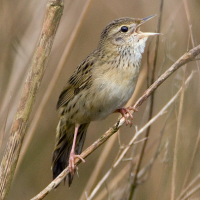
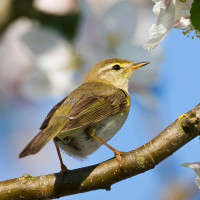
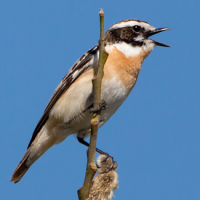
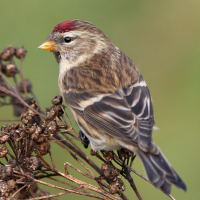
 ) Lägg till fågelnamen på ditt egna språk, namnen kommer automatiskt översättas till andra användare.