Beskrivning
brun kärrhök is present throughout the year, with many seen on passage and wintering this year.
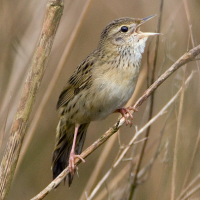
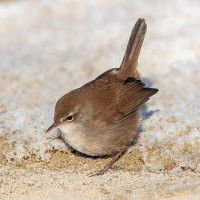
rörsångare, cettisångare, and gräshoppsångare breed, among a wide variety of summer visitors.
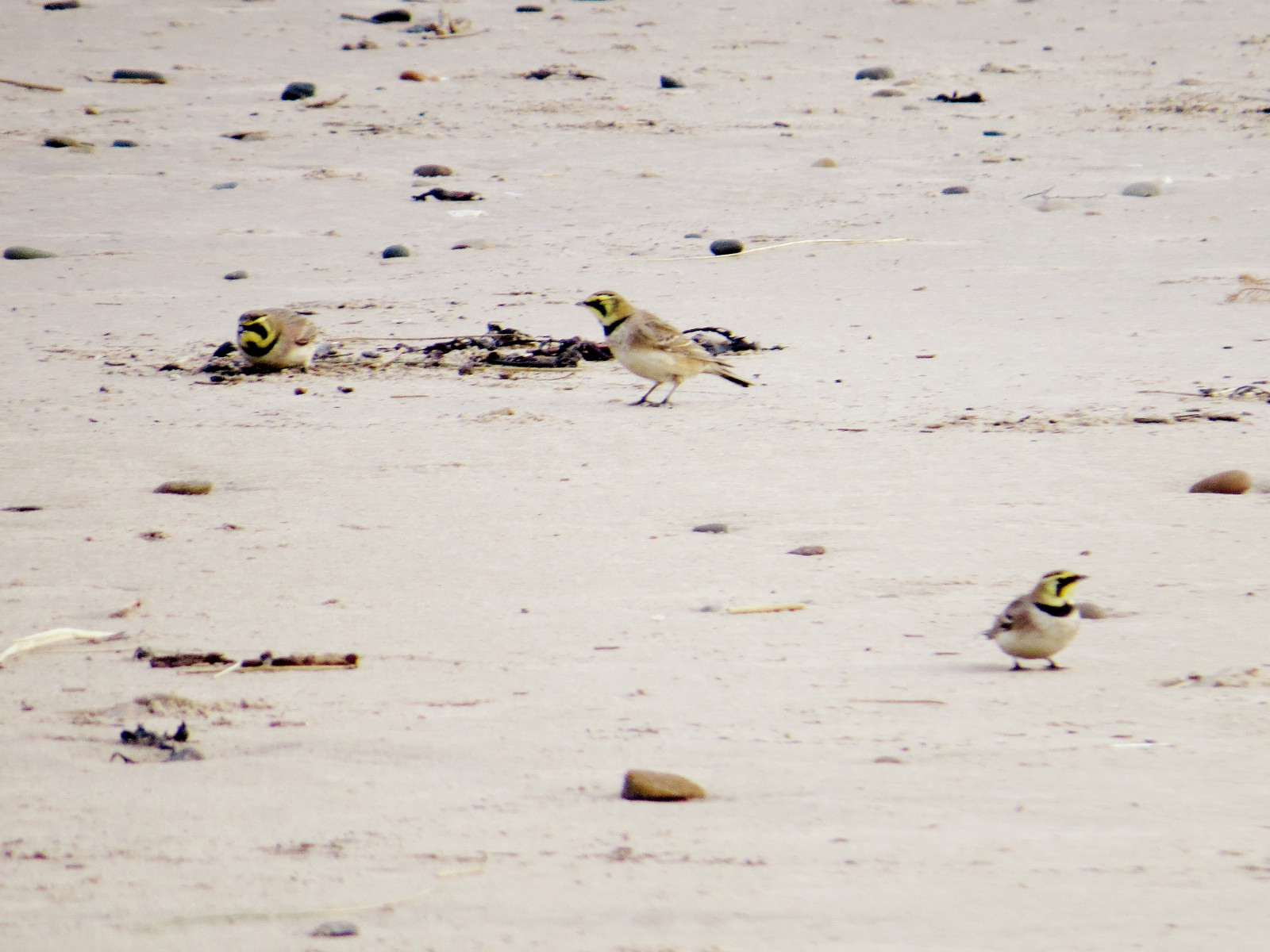
sandlöpare and other roosting waders and gulls can be found on the beach, and in summer, terns including occasional rosentärna. In winter, snösparv and occasionally berglärka use the beach where the Chevington Burn runs out. Sea ducks such as ejder,sjöorre and småskrake, and also smålom, can be seen on the sea, along with sillgrissla and lunnefågel from nearby Coquet Island.
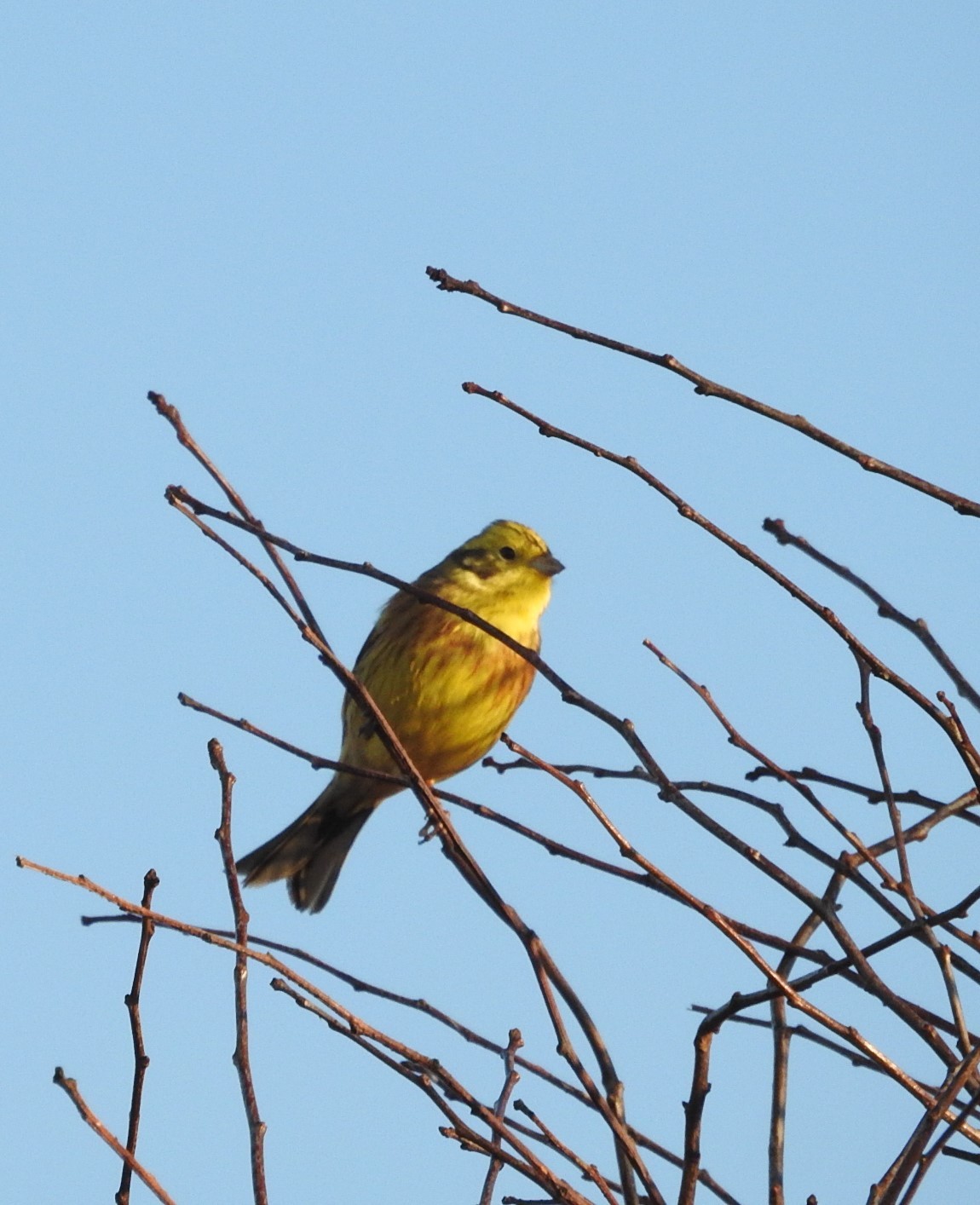
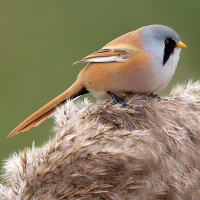
stjärtmes and a good variety of young woodland species including wintering grönsiska, brunsiska and sometimes Gråsiska.
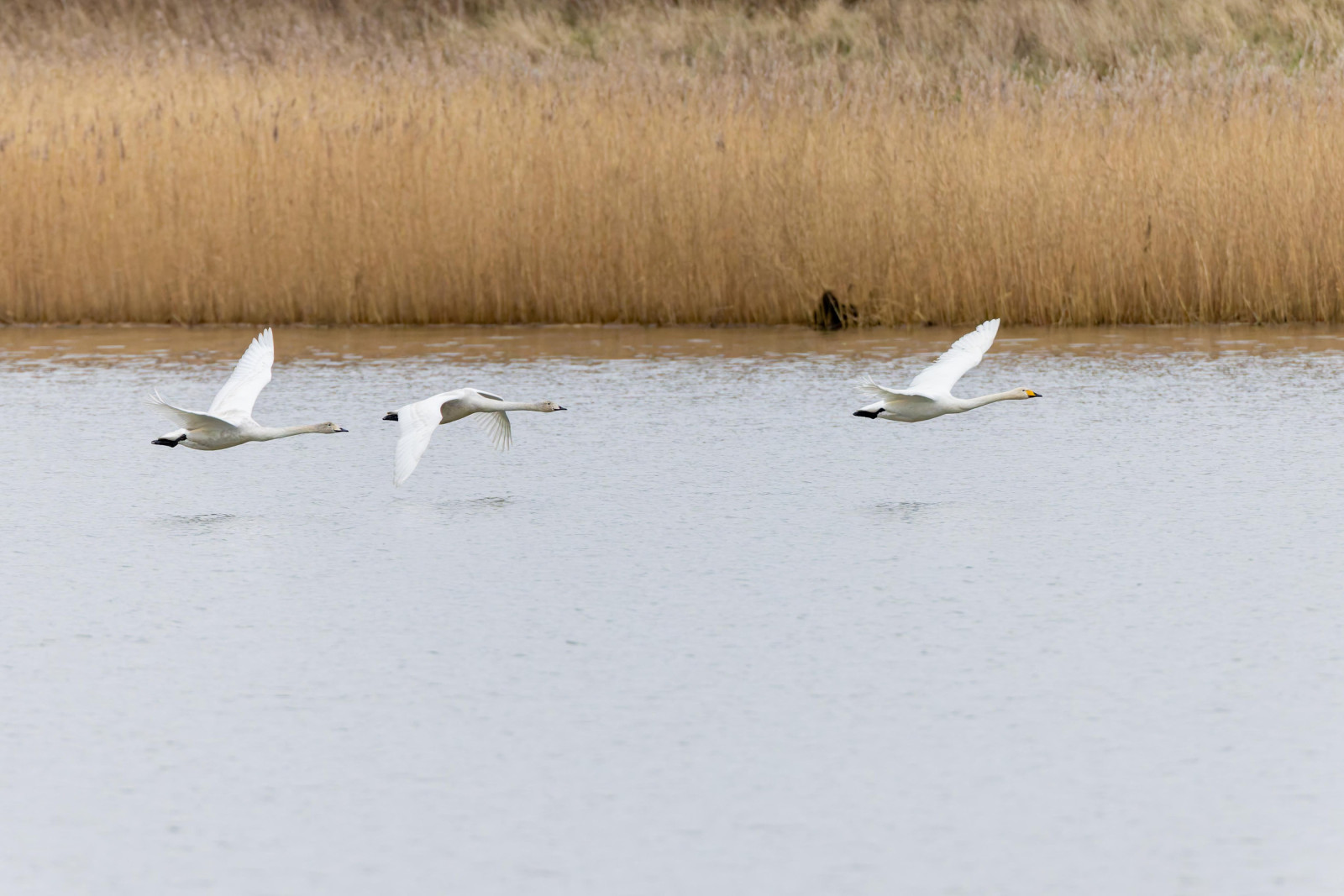
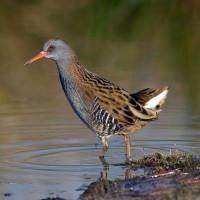
snatterand and good numbers of other wintering and breeding wildfowl; in winter it is worth checking the Kricka flocks for vagrant Amerikansk kricka, which occur here surprisingly regularly.
Detaljer
Tillgänglighet
Parking available on reserve along a poorly maintained track. Alternatively, 'pay and display' parking is available in neaby Druridge Bay Country Park. Bus X18 from Newcastle to Red Row (nearest point to reserve). The National Cycle Network Route 1 runs along the east edge of the site.
Waterproof boots or wellingtons advisable in winter and wet periods.
The route around the south end of the reserve has narrow paths and can be very muddy.
Terräng och habitat
Slätt , Dyner , Vassar , Strand , SjöFörhållanden
Platt , Sandigt , Öppet landskapRundtur
JaTubkikare behövs?
Kan vara användbartBästa säsong för skådning
Året runtBästa tid för ett besök
Vinter , Sommar , Vårsträck , Vår , Höst , HöststräckRutt
Bred stig , Grusväg , Smal stigHur ansträngande vandring
Genomsnittlig vandringNås
Till fots , Cykel , BilFågeltorn / plattform
JaExtra information
I update information regularly on my blog (link below); use the search facility or archived months matching your visit to get an idea of what can be seen. Also on twitter: @DavidEe13975025
 ) Lägg till fågelnamen på ditt egna språk, namnen kommer automatiskt översättas till andra användare.