,_Etangs_de_Stavelot,_Belgien_(38631119665) Frank Vassen.jpg)
Beskrivning
You arrive at an open area looking out to sea and to the rocky shoreline if the tide is out. At low tide large numbers of gulls and waders can be seen roosting whilst large numbers of birds can be seen on the sea.
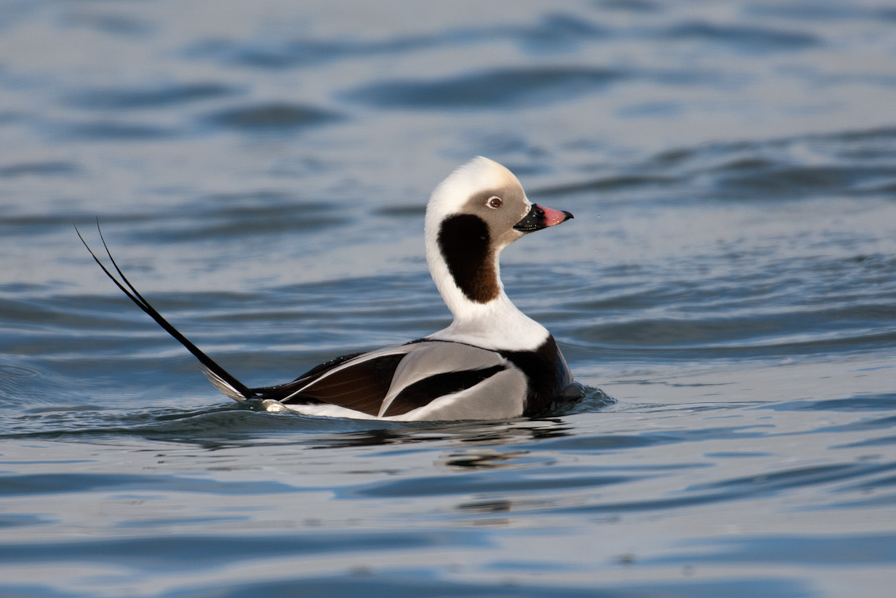
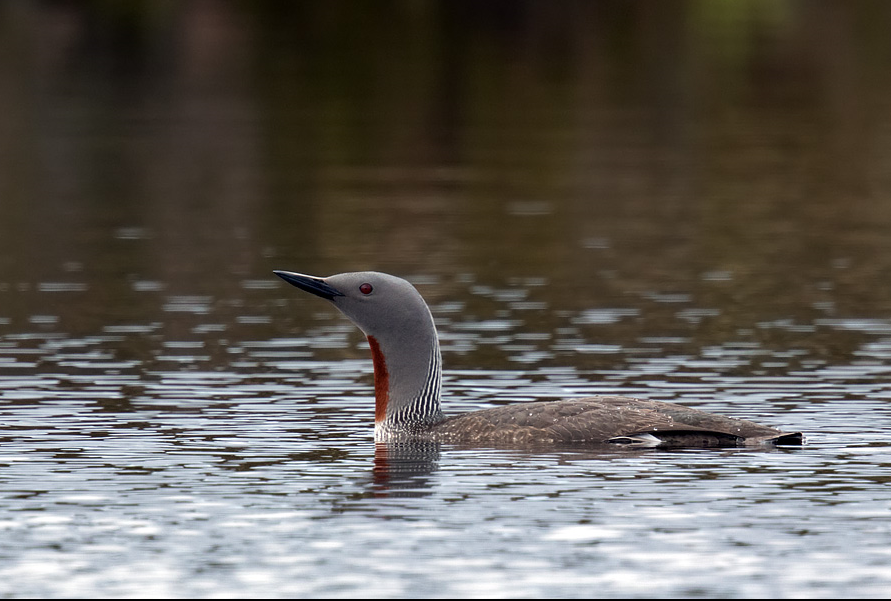
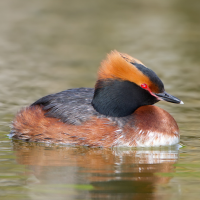
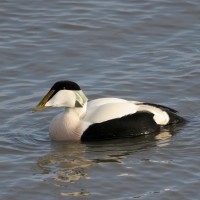
During the winter large numbers of Scoters can be seen. Mainly sjöorre and svärta. Other species often seen are alfågel, ejder, bläsand, smålom, and svarthakedopping. Rarities on the sea at this time of the year include knölsvärta, Stejneger's Scoter, vitnackad svärta, praktejder, alkekung and storlom. On the coastline a large full roost can occur predominantly consisting of fiskmås, Gråtrut, skrattmås and havstrut with the occasional wintering silltrut, svarthuvad mås and Vitvingad trut. Wader species often seen include kärrsnäppa, rödbena, storspov, roskarl, strandskata and myrspov. Rarer gulls and waders seen on the shoreline have been ringnäbbad mås and kustsnäppa.
During spring and summer months lots of new birds can be seen including silvertärna, fisktärna, Kentsk tärna and the occasional rosentärna, sillgrissla, tordmule and lunnefågel.
Autumn migration brings passage seabirds and waders with the chance of all four skua species, mindre lira and divers. Scarcer waders that could be seen are rödspov and gluttsnäppa.
This site gives a nice variety of species from a single point and gives you a great chance to learn the identifications of British shorebirds.
Detaljer
Tillgänglighet
From the centre of Edinburgh you can drive, take the bus or cycle. When cycling you can go all the way along the innocent railway path and you will then reach the A199. Then turn towards Musselburgh and take your first left. Parking is available in the housing estate where a short walk is needed to get to the viewpoint. Press P on the map for directions to the parking spot.
,_Etangs_de_Stavelot,_Belgien_(38631119665) Frank Vassen.jpg)
 ) Lägg till fågelnamen på ditt egna språk, namnen kommer automatiskt översättas till andra användare.