Beskrivning
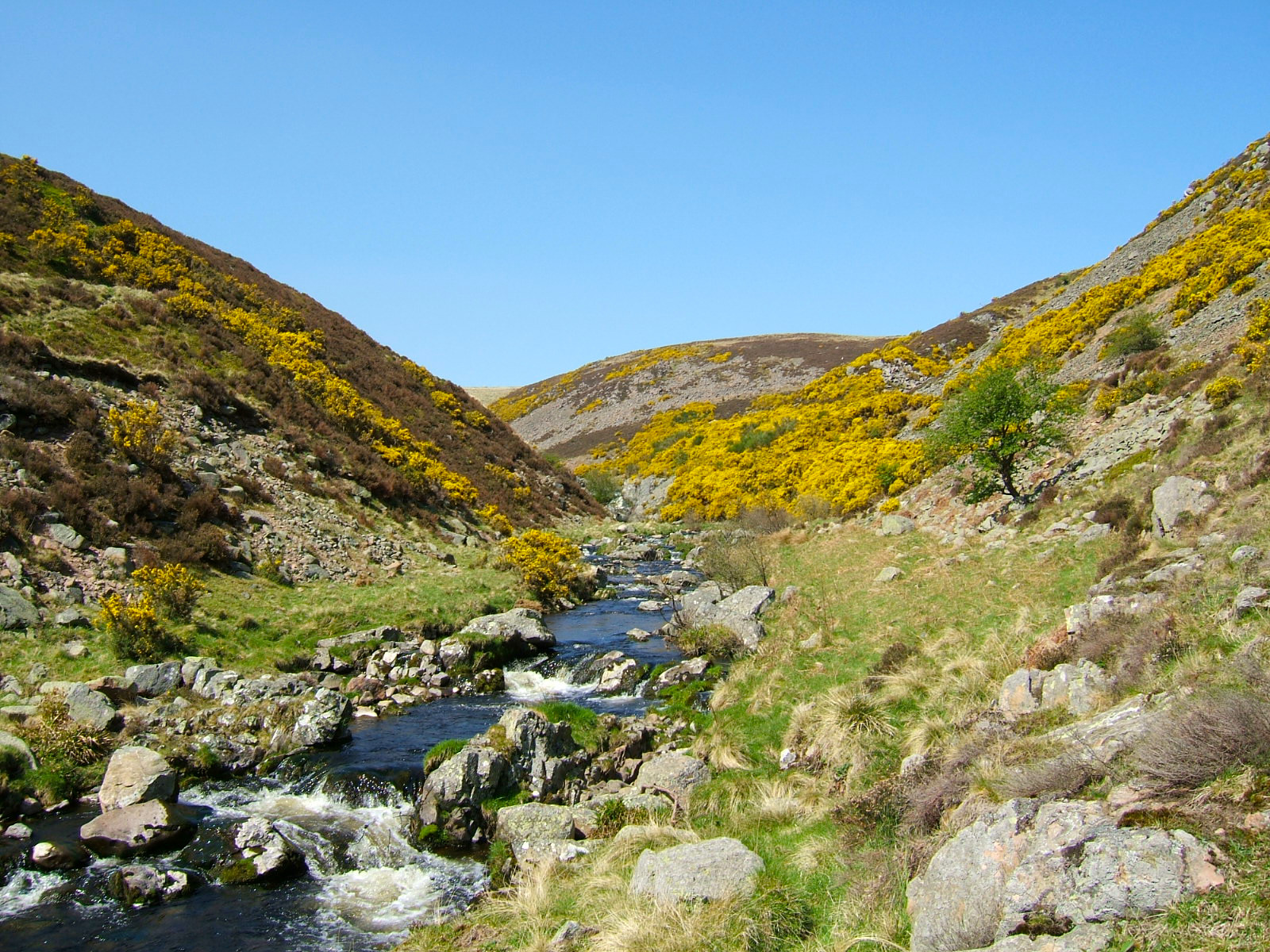
The Harthope is one of Northumberland's best upland valleys, with a mix of semi-natural Alder-Oak-Birch-Hazel woodland, Hawthorn scrub, sheep-grazed grass, and higher up, heather moors and some rocky crags and scree. The highest ground, on The Cheviot (815 m), is topped with blanket Sphagnum bog. If you are very lucky, the strenuous climb to the top may be rewarded with fjällpipare on migration in May or September.
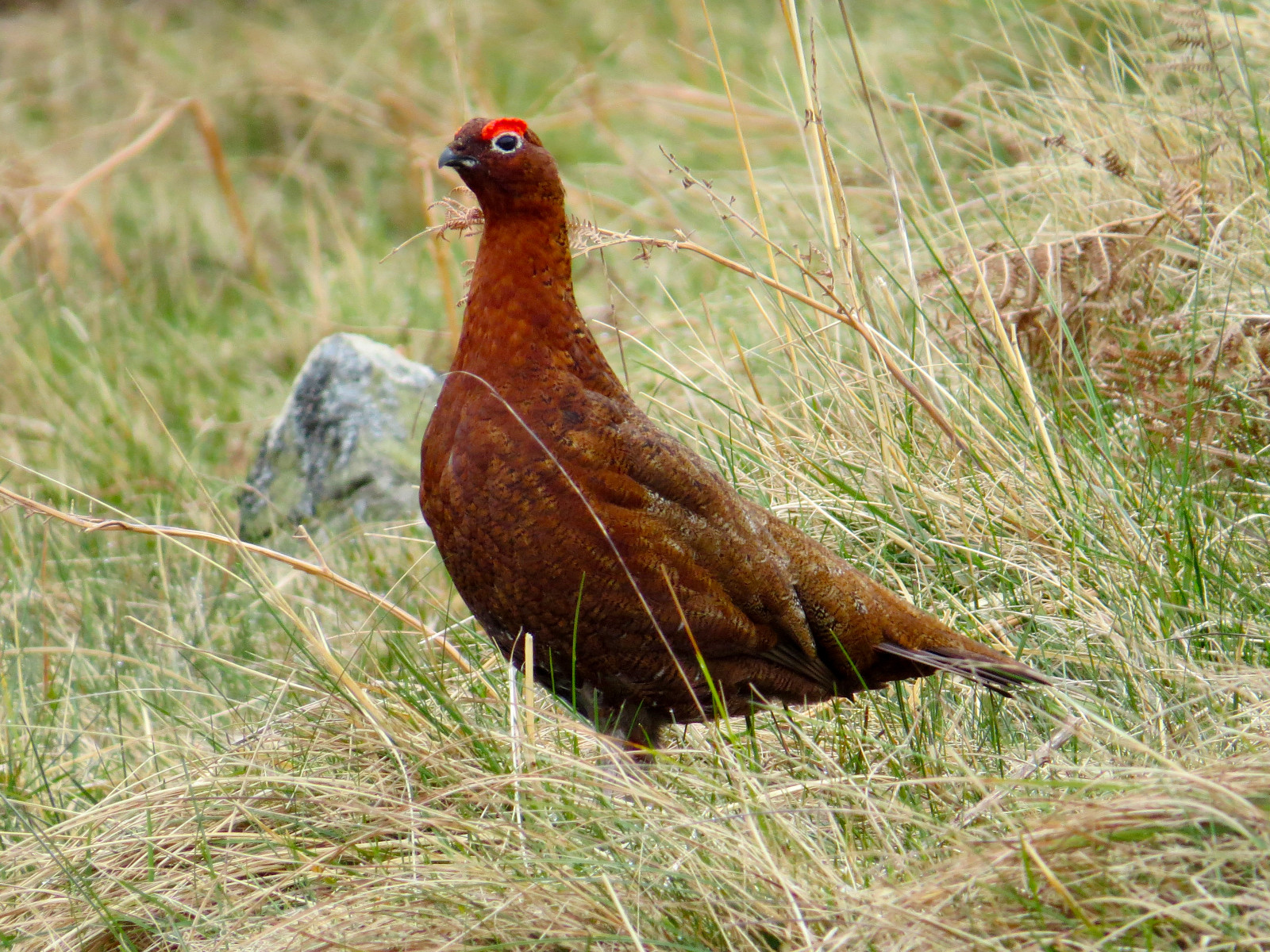
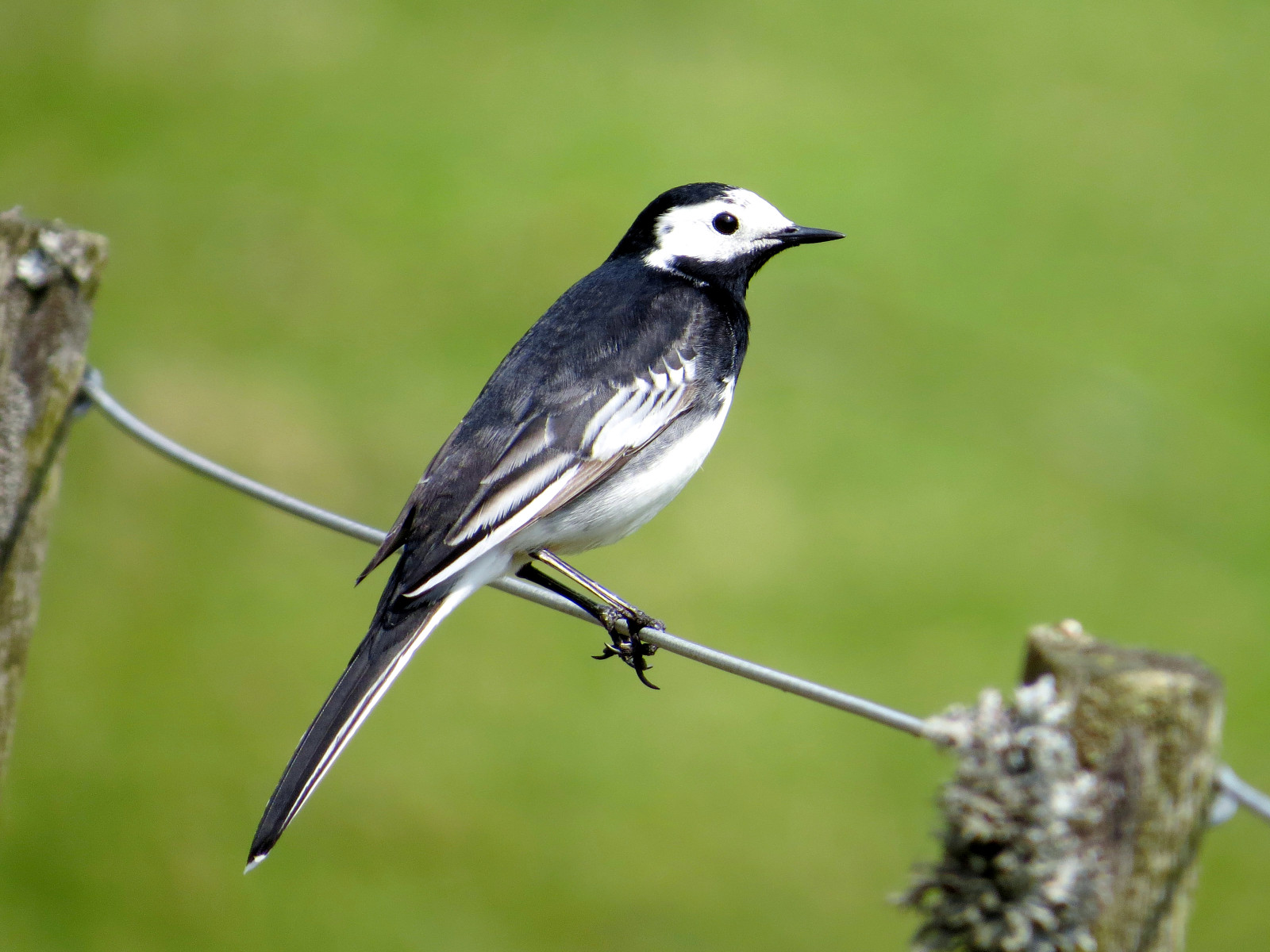
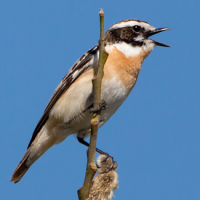
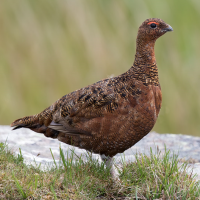
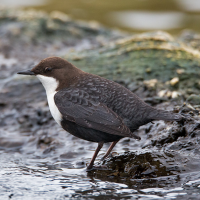
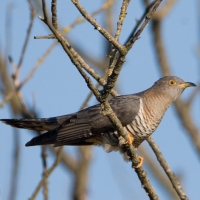
In the higher, steeper parts of the valley, ringtrast breed, together with stenskvätta. Large numbers of ängspiplärka (the commonest bird here!) and sånglärka breed on the more open grassy slopes. The heather moors have large populations of Dalripa, sadly now managed for shooting; shooters also release large numbers of rödhöna and Fasan every year, likely with major detrimental effects on native ground-nesting birds. The lower slopes and woods hold Gröngöling and gök, and svarthakad buskskvätta is a recent colonist with milder winters allowing their survival. Warblers include lövsångare, gransångare, trädgårdssångare, svarthätta and törnsångare. Few waders are present, but morkulla are resident in small numbers and strandskata and drillsnäppa breed along the Harthope Burn; there are also good numbers of strömstare and forsärla on the burn.
Sadly, the site has not escaped the general declines in so many species; several have disappeared or become very scarce in recent years. trädpiplärka, svartvit flugsnappare, entita and grönsångare have all been lost or become hard to find, and even rödstjärt and buskskvätta are much harder to find than just a few years ago. Raptors too have also become less easy to find, with just a few ormvråk and the odd korp, while blå kärrhök and Pilgrimsfalk have largely disappeared, probably due to illegal persecution related to the grouse shooting.
Like most upland sites, the area is bleak in winter, though deep snow seems to be largely a thing of the past. Despite this, good numbers of rödvingetrast and björktrast can be found, and the Birch and Alder woods attract brunsiska and grönsiska additional to the resident breeding numbers.
Detaljer
Tillgänglighet
Unfortunately, only accessible by car; no public transport nearby. Steep slopes on the road in make the site difficult for cyclists. Click on a P in the map for directions.
Terräng och habitat
Skog , Berg , Kanjon/klippa , Spridda träd och buskar , Slätt , Platå , Dal , Hed , FlodFörhållanden
Bergigt , Platt , Sumpigt , Kulligt , Klippigt , Öppet landskapRundtur
NejTubkikare behövs?
Kan vara användbartBästa säsong för skådning
Vår , SommarBästa tid för ett besök
VårRutt
Asfalterad väg , Bred stig , Grusväg , Smal stigHur ansträngande vandring
Ansträngande vandringNås
Till fots , BilFågeltorn / plattform
NejExtra information
This is one of the best places in Northumberland to see Adders (Vipera berus), Britain's only venomous snake, though they are not easy to find. Cool but sunny days in spring offer the best chances, when they come out into the open to bask in the sun. For their (and your own!) safety, do not touch them. Other 'non-birds' to look for include Common Toad, Roe Deer and Brown Hare.
 ) Lägg till fågelnamen på ditt egna språk, namnen kommer automatiskt översättas till andra användare.