Beskrivning
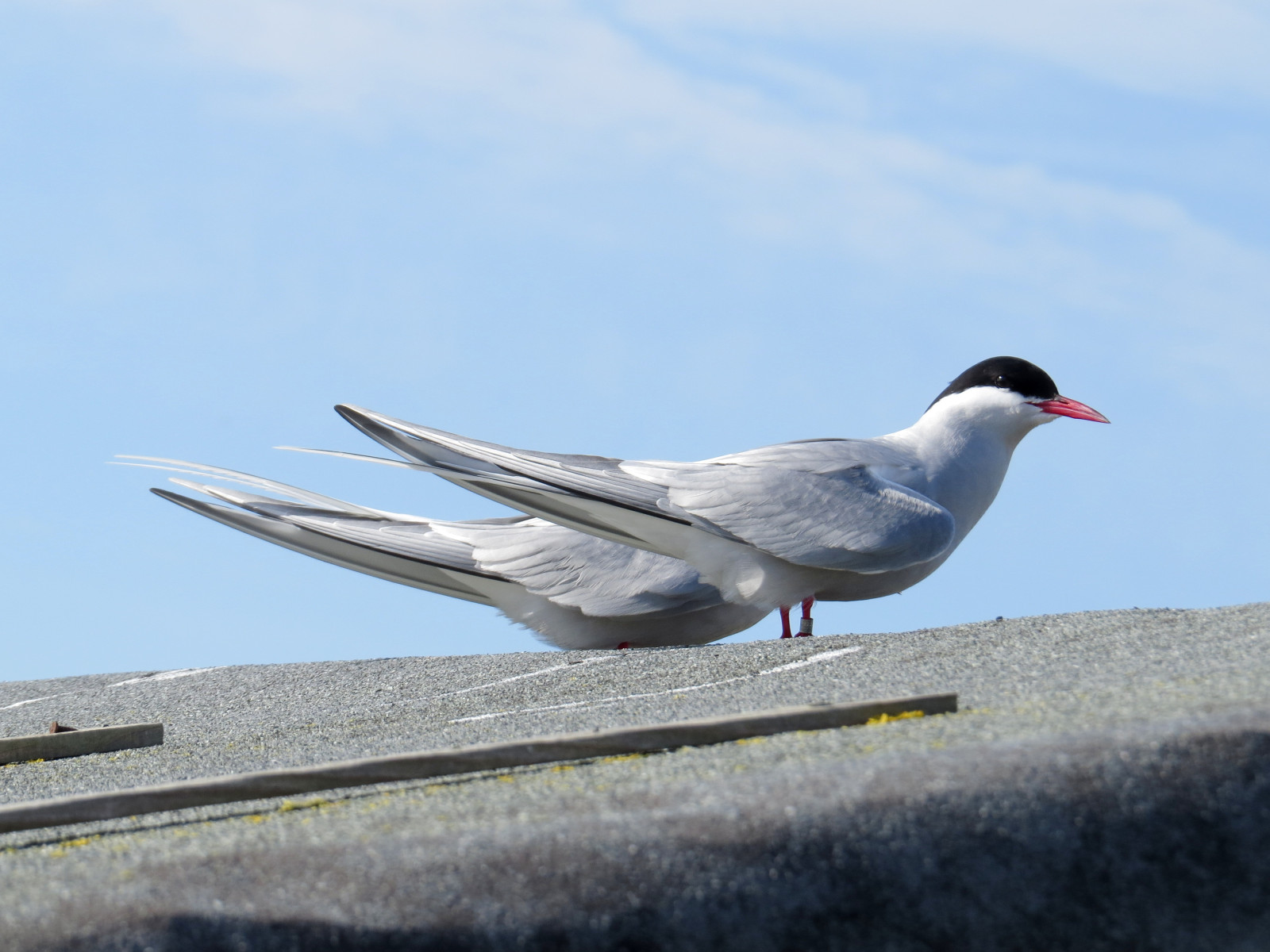
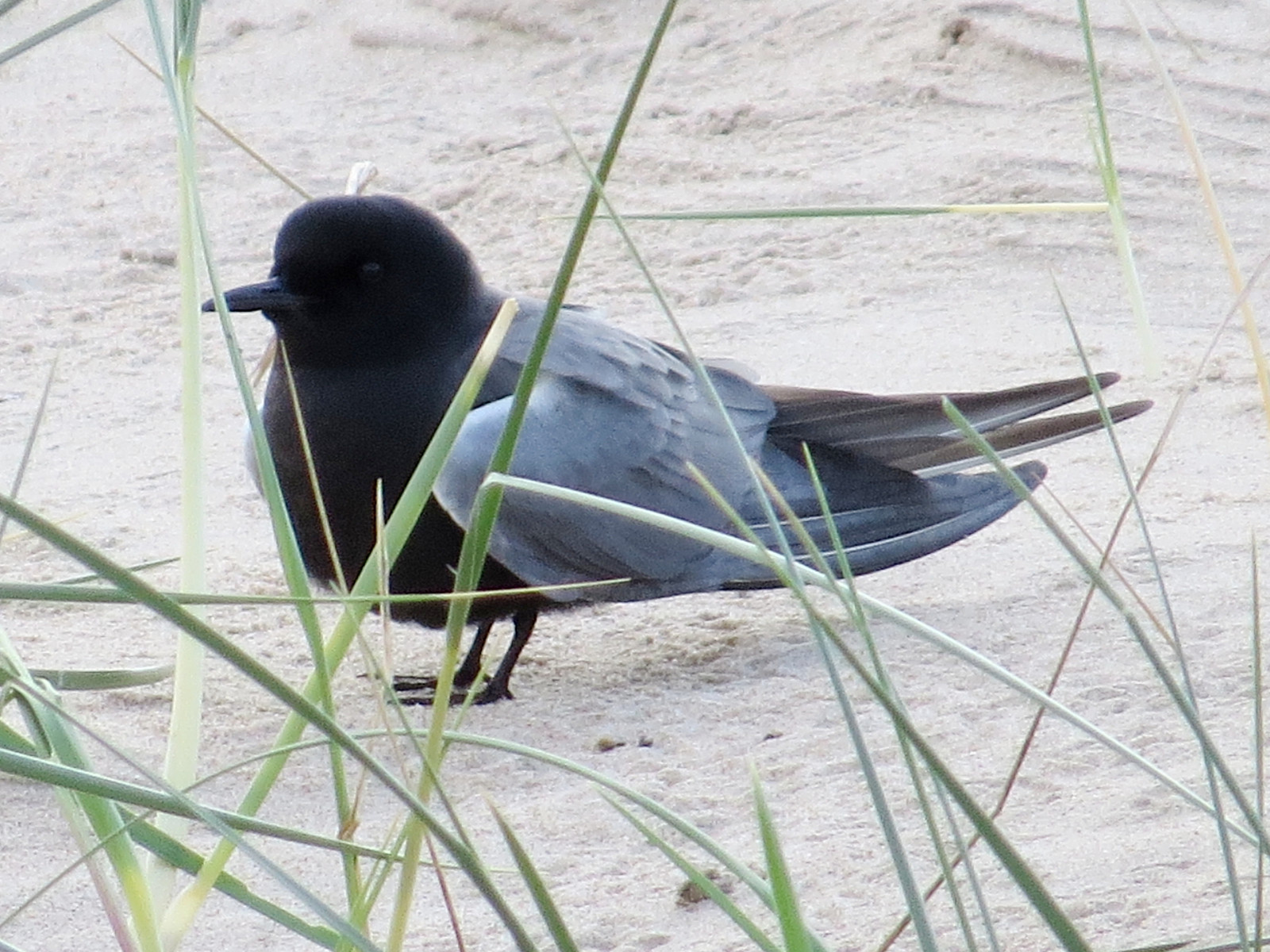
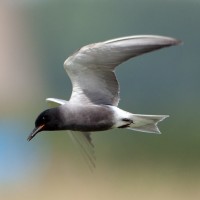
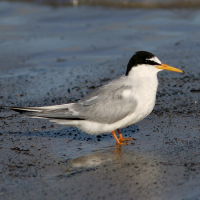
The Long Nanny is notable for its important tern colony on the beach, and for waders using the estuary. In recent years, 1,000-2,000 pairs of silvertärna and 30-40 pairs of småtärna have bred, and since 2020, a single svarttärna of the American subspecies 'Chlidonias niger surinamensis' has spent its summers at the colony, attracting considerable interest; it has returned in 2025. rosentärna and Kentsk tärna also visit the colony regularly, but do not breed.
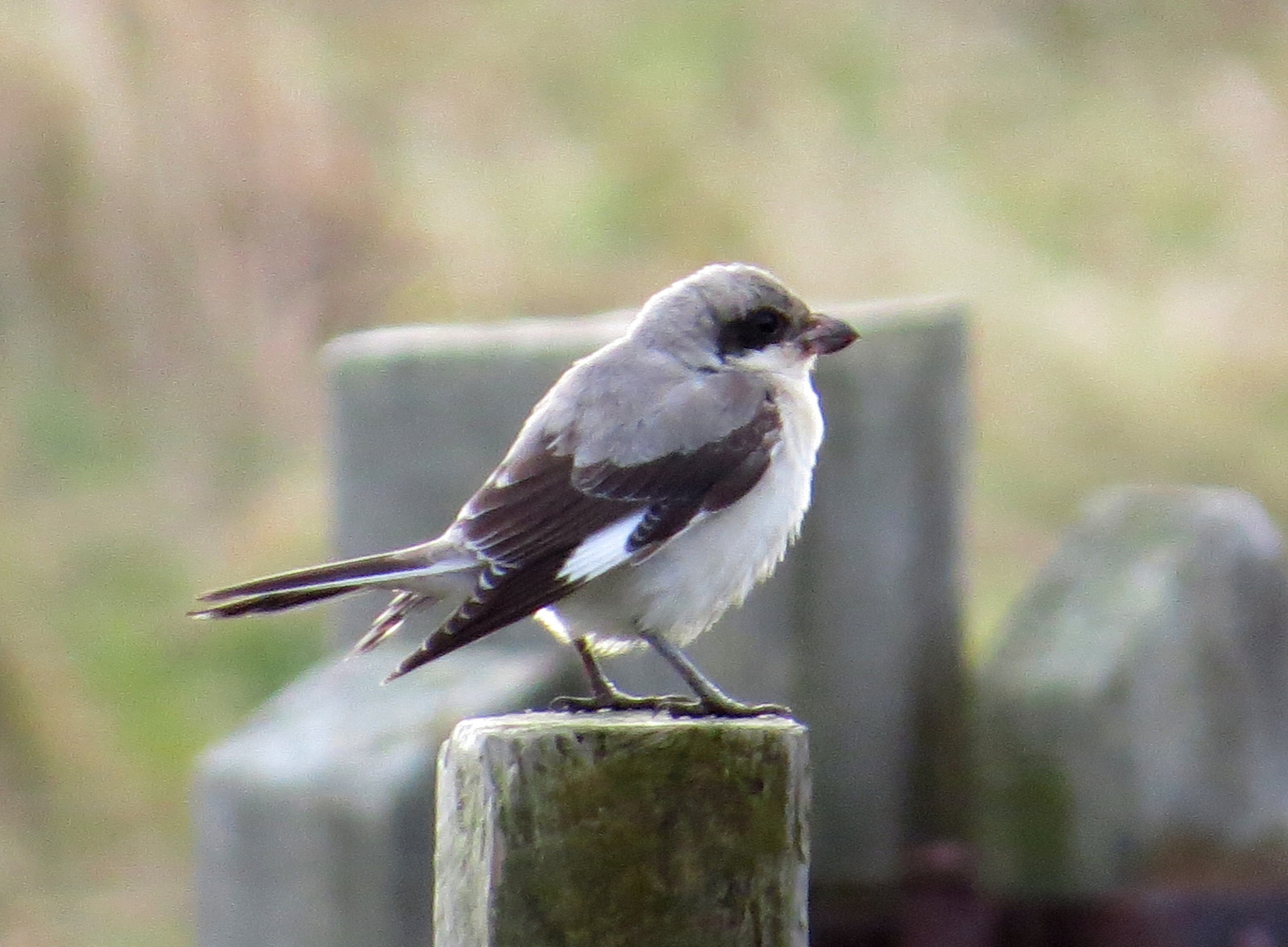
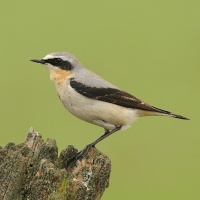
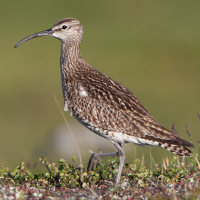
The tern colony is wardened round the clock in summer. Birders are welcome to visit the wardens' hut, where the terns can be seen at close range. The dunes hold breeding svarthakad buskskvätta and ängspiplärka, and have good numbers of passage stenskvätta and other migrants. In winter, the saltmarsh often holds a vinterhämpling flock, which can also attract occasional berglärka and snösparv. Brackish water channels in the saltmarsh attract breeding gravand and a good range of passage waders such as storspov and småspov. Many rarer species have been recorded, including tereksnäppa, mindre gulbena, svartpannad törnskata (2 records!), korttålärka, and större piplärka.
Detaljer
Tillgänglighet
The site is a fairly long walk (about 2 km) from the nearest parking. There is no shelter, and no visitor facilities, so come prepared for both sunburn and bad weather! Most of the walk is easy, but some parts (particularly the final 300 m to the wardens' hut viewpoint) are narrow and loose sand. Parking is available at High Newton to the south (£), and Beadnell to the north (free up to 1 hour, then £). Click on a P in the map for directions. Bus X18 (Newcastle-Berwick) to Beadnell, about 2.5 km. The coastal path is open to cycles, but heavy going through loose sand in places; likewise, difficult for wheelchairs and all-terrain mobility scooters (and the path to the wardens' hut not accessible). It is important to stick to the paths; do not cross the ropes protecting the tern colony.
Terräng och habitat
Våtmark , Platt , Strand , Gyttjig strand , Jordbruk , Spridda träd och buskar , Slätt , Flod , Hav / ocean , DynerFörhållanden
Platt , Sandigt , Ingen skugga , Kulligt , Risk för högvattten , Öppet landskap , TorrtRundtur
NejTubkikare behövs?
Kan vara användbartBästa säsong för skådning
Vår , SommarBästa tid för ett besök
Vårsträck , Sommar , HöstRutt
Bred stig , Smal stigHur ansträngande vandring
Ansträngande vandringNås
Till fotsFågeltorn / plattform
JaExtra information
If visiting during the breeding season, please share your sightings with the wardens! They will be happy to help you find other birds in return.
 ) Lägg till fågelnamen på ditt egna språk, namnen kommer automatiskt översättas till andra användare.