Beskrivning
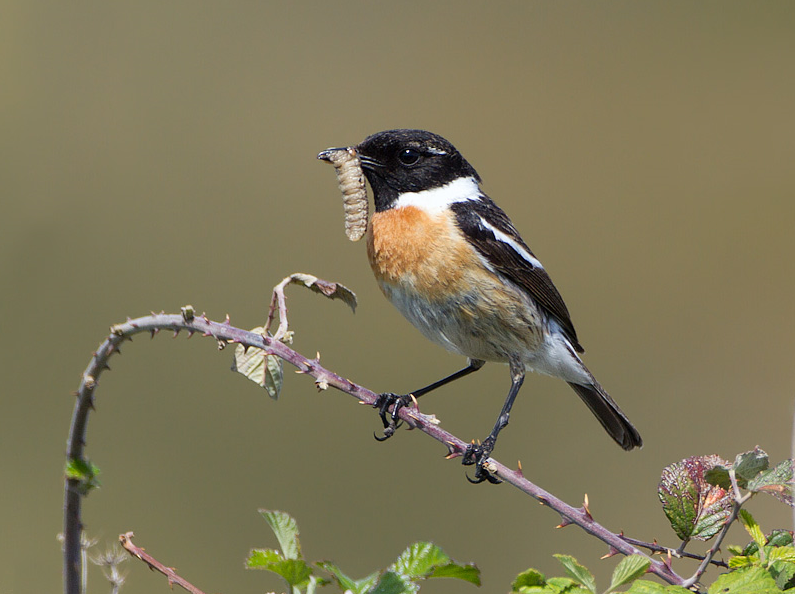
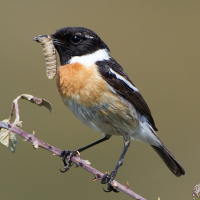
Winterton Dunes is an extensive coastal acidic heathland featuring a variety of scrubs and trees spread throughout. For birders, the site is a fantastic place to find rare and scarce migrant birds, as well as enjoy some of the spectacular wildlife of the east Norfolk coast. It can be hard work at times, but persistance pays off at this site. Throughout the year, you could find svarthakad buskskvätta and gulsparv in the dunes, alongside the usual common garden birds. Raptors frequent the fields inland of the dunes system including brun kärrhök and tornfalk.
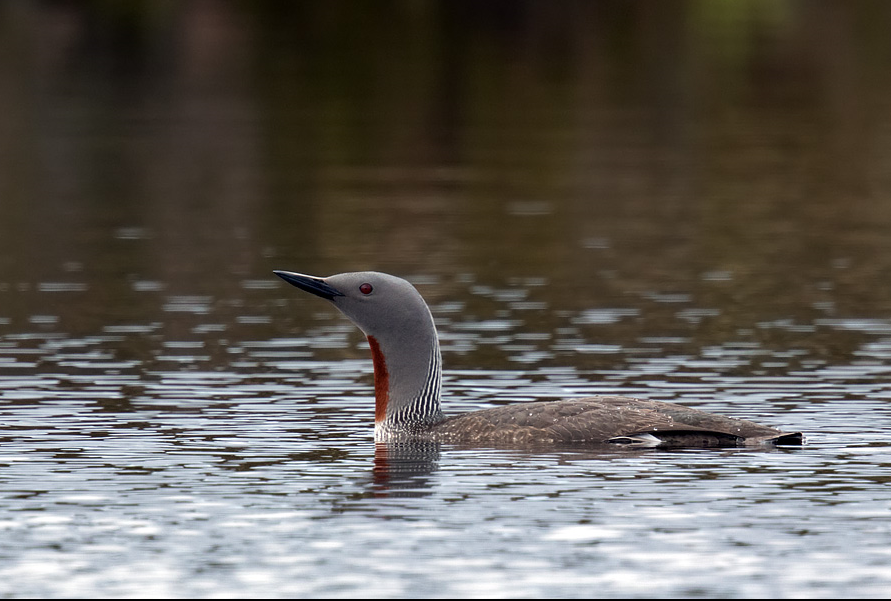
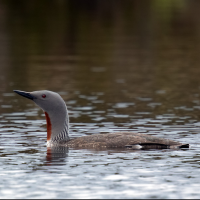
In the winter, a sea-watch may reveal large numbers of smålom as well as sjöorre and flocks of passing prutgås. You may be lucky and encounter a jorduggla or blå kärrhök hunting the dunes. The large Grey Seal colony here attracts gulls, and alongside the expected Gråtrut and havstrut groups, you may be lucky and find a kaspisk trut or even Vitvingad trut or vittrut! Expect to see waders like roskarl and sandlöpare on the beach. The rocky groynes may hold skärsnäppa also. Look out for snösparv on the beach too!
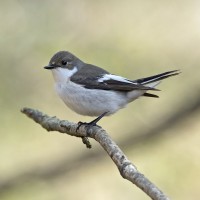
Spring passage can be hit a miss in east Norfolk, but you would normally expect to see a svart rödstjärt and a few stenskvätta to get the season going (from March onwards). Following this will be svarthätta, gransångare, lövsångare, lövsångare and more. In April onwards, there may be ringtrast, svartvit flugsnappare and rödstjärt to be found. Following a good spell of easterly winds, you may be on for something rarer. Typcial spring scarcities (typcially May and June) might include törnskata, kärrsångare, blåhake, härmsångare, rosenstare and even biätare!
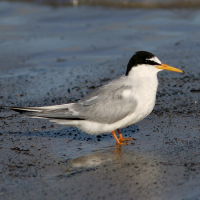
Summer still offers migration opportunites, as the waders continue to move throughout July and August. There is a colony of småtärna on the beach some years, but view them from a respectable distance. It is not impossible to find a svarttärna or even a rosentärna in the colony if you scan the colony carefully.
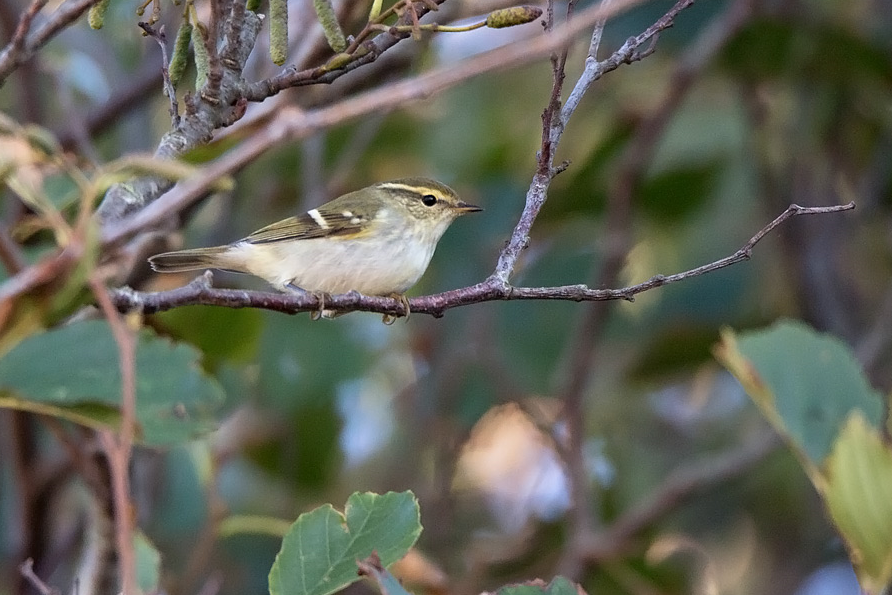
Autumn passage can be excellent here, and in the early part of the season (August to September), you might be lucky and find the likes of göktyta, härmsångare or lundsångare. A good passage of svartvit flugsnappare is expected, along with smaller numbers of rödstjärt. As the autumn progresses (September to November), the opportunities to find tajgasångare, kungsfågelsångare, höksångare, mindre flugsnappare and other seasonal delights increases, especially after easterly winds. Common migrants will also be flooding back in like rödvingetrast, kungsfågel, bofink and morkulla.
Sea-watching here is best in northerly or easterly winds, and these can bring havssula, tretåig mås and sjöorre closer in shore. An experienced sea-watcher may be able to find divers, grebes, auks and up to four species of Skua! Stormy conditions in late autumn can bring brednäbbad simsnäppa, Klykstjärtad stormsvala and large numbers of dvärgmås. You never know what you might see, so always worth bringing a scope.
Detaljer
Tillgänglighet
Park in the beach car park at Winterton Village, and you can easily explore the dunes from here.
Terräng och habitat
Hav / ocean , Dyner , Spridda träd och buskar , HedFörhållanden
Platt , Torrt , Öppet landskap , DammigtRundtur
JaTubkikare behövs?
Kan vara användbartBästa säsong för skådning
Året runtBästa tid för ett besök
Vårsträck , HöststräckRutt
Bred stigHur ansträngande vandring
Genomsnittlig vandringNås
Till fotsFågeltorn / plattform
NejExtra information
This site is a popular dog walking area, and also experiences high numbers of beach-goers in the summer. You can get away from the crowds by heading further away from the village itself.
 ) Lägg till fågelnamen på ditt egna språk, namnen kommer automatiskt översättas till andra användare.