Description
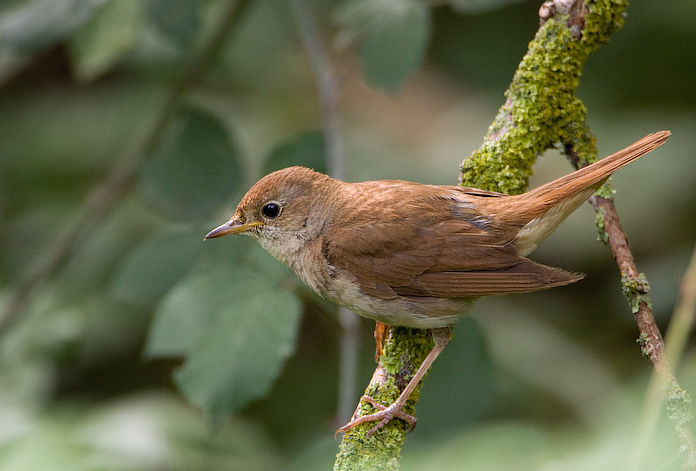
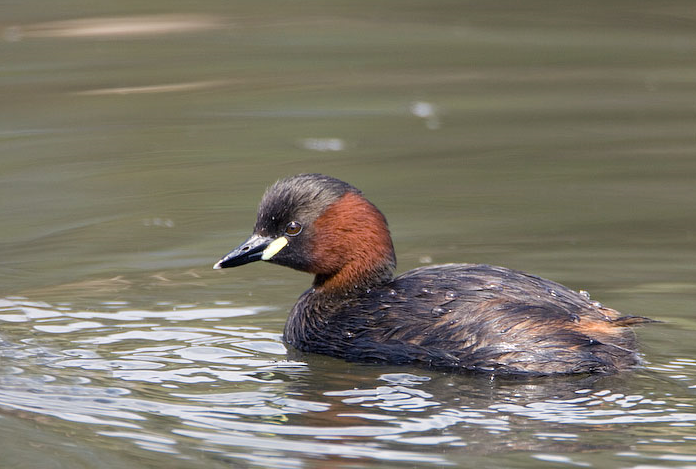
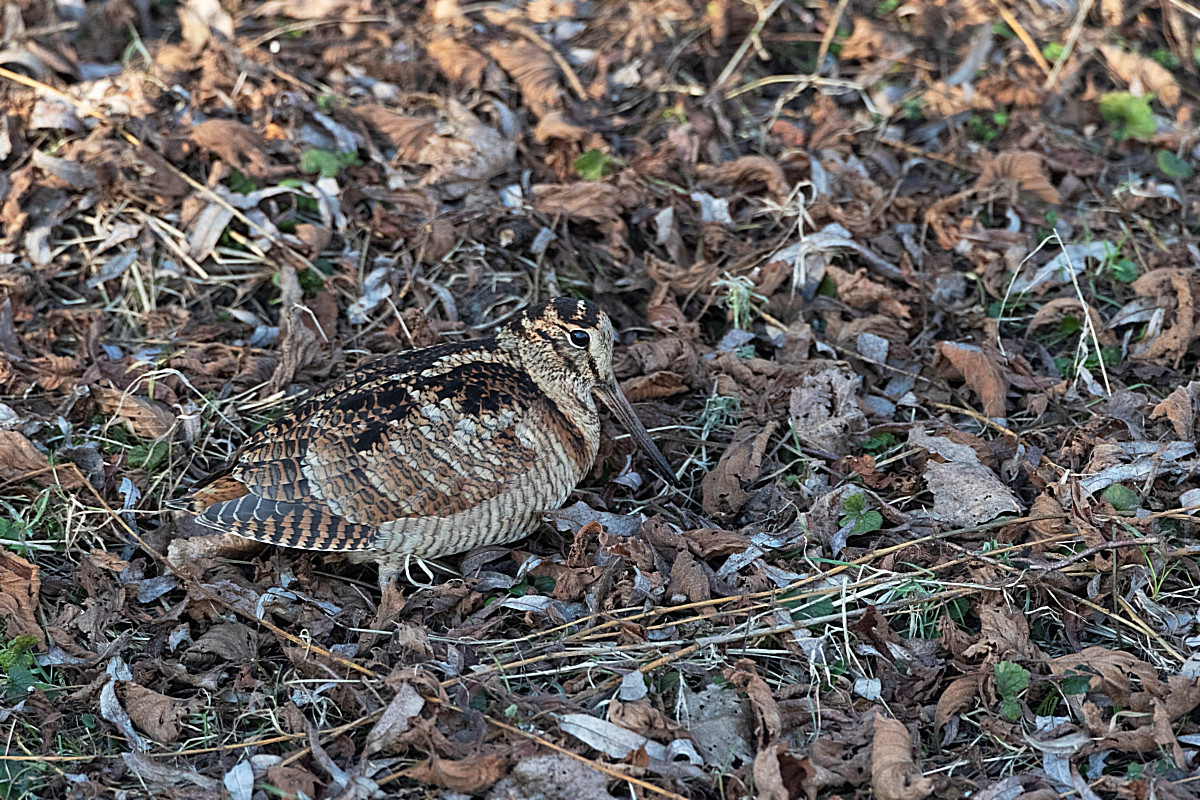
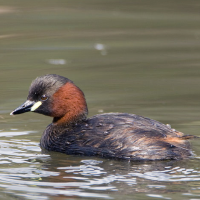
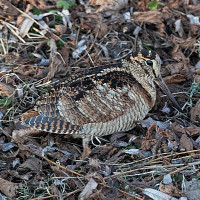
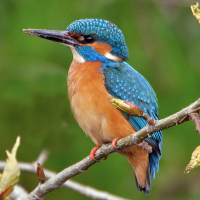
This old gravel pit was decomissioned in the early 1960's and shows little signs of the scars of its former life. The lakes , ponds and wet areas are always a great draw to wildlife including a good selection of birds. At least one star of the show is Common Nightingale singing from the dense scrub. Other water dependent species can be seen such as Common Kingfisher, Little Grebe, Eurasian Coot and Eurasian Moorhen. Eurasian Woodcock is a regular winter visitor.
This 14 hectares of managed reserve now uses ponies and cows for conservation grazing to help the site keep its diverse selection of habitats. Meadow, heathland, coppice, old woodland and the 9 very different water filled areas. Great Holland Pits is mostly surrounded by arable fields to three sides; but to the western boundry it has the waterway of Holland Brook as a wildlife corridor funneling birds into the oasis of Great Holland Pits.
Details
Access
The Great Holland Pits reserve is easy to reach, as the car park is 1 mile west from Great Holland village just off the Little Clacton road, signposted off to the north. Press P on the map for directions. The circular walking route shown on the map is about 2 km.
 ) to insert bird names in your own language. The birdnames will automatically be translated for other users!